Skip to content
Itinerari del Gusto

Taste itinerary

The Trapani Couscous Itinerary

In 2020 UNESCO inscribed Maghreb couscous on the Representative List of the Intangible Cultural Heritage of Humanity. But on this coast couscous has an older and more intimate story: it arrived with the sailors and workers who, between Mazara del Vallo and San Vito Lo Capo, traded for centuries with the Tunisian coasts…

Explore the stops
Itinerario del Cuscusù Trapanese
Recommended period
All year round (highlight: September)
Getting around
Car between stops
Towns
Custonaci · Erice · Favignana · Marsala · Mazara del Vallo · Misiliscemi · Paceco · Pantelleria · Petrosino · San Vito Lo Capo · Trapani · Valderice

The story

In 2020 UNESCO inscribed Maghreb couscous on the Representative List of the Intangible Cultural Heritage of Humanity. But on this coast couscous has an older and more intimate story: it arrived with the sailors and workers who, between Mazara del Vallo and San Vito Lo Capo, traded for centuries with the Tunisian coasts, bringing with them not only an ingredient but an entire way of sitting down at table together.

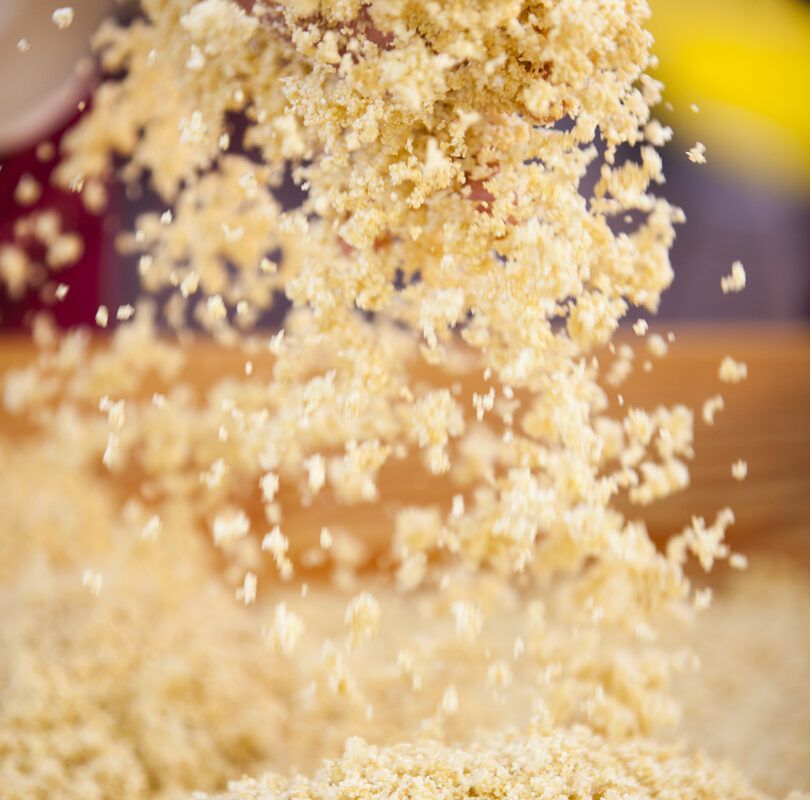
It is a dish handed down mostly through women: in the houses of the Kasbah of Mazara, as in those of San Vito Lo Capo, it is the women who keep the gesture of rolling the semolina by hand (incocciare), drop after drop of water, in a ceramic mafaradda that is often the same one used by grandmothers. A dish that varies from house to house, from town to town, and for this reason tells the story not of one place but of the whole area: this is why this itinerary does not follow a single road, but ideally crosses all twelve towns of the GAL, through different places and events.

The high point of this story is the Cous Cous Fest in San Vito Lo Capo, born in 1998 as a gesture of peace and over the years grown into an international festival that brings the word “integration” into a plate of semolina. But Trapani couscous is also lived in the three hundred and sixty-five days that are not September: in the trattorias of the Kasbah, on the terraces of Erice, in the shops that still sell ceramic mafaradde. Following this itinerary means discovering how the same dish can be, at the same time, everyday food and celebration, family memory and bridge between peoples.

The stops

In order of travel. The stops must-sees are the ones not to be skipped, even if you choose a shorter version of the route.

  1. 1
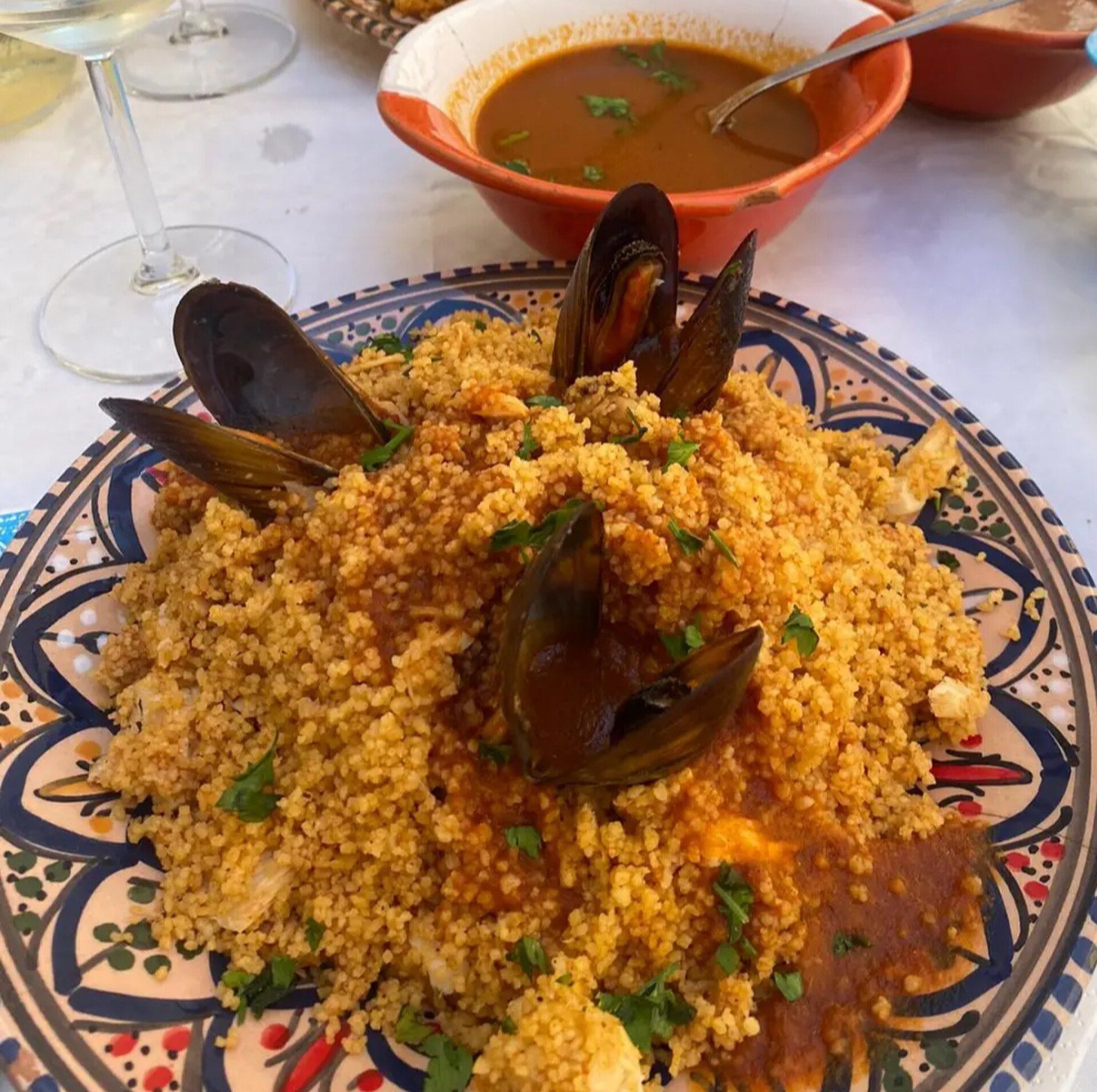
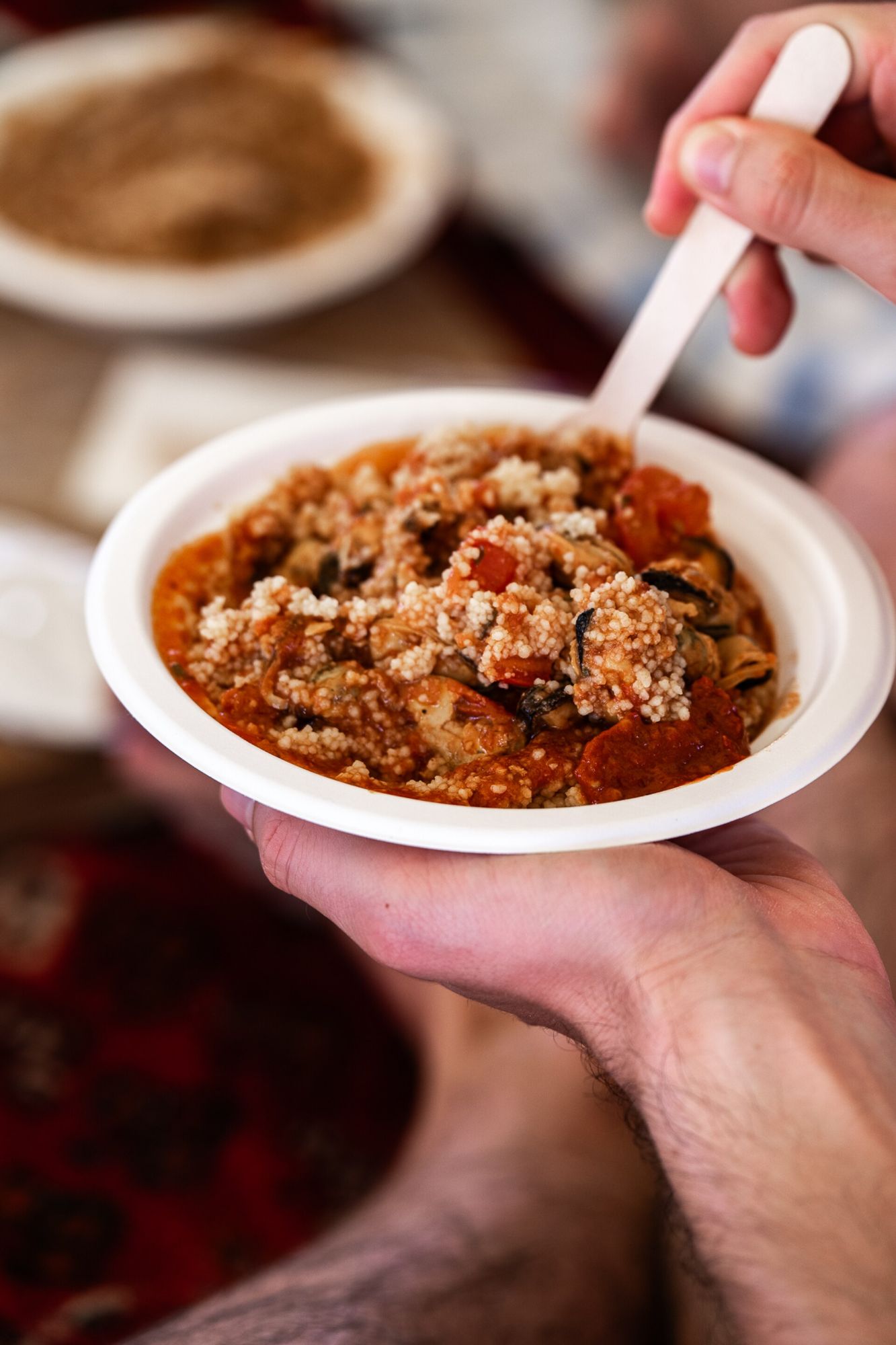
    Cous cous di pesce del Cous Cous Fest

    Not to be missed San Vito Lo Capo

    Cous Cous Fest and the Couscous Houses

    Start of the itinerary

    The highest and most international point of this story: a festival born to make cooking an instrument of peace, which every year turns San Vito Lo Capo into the world capital of couscous. The new document widens the food thread to rockfish soup, the wild herbs of Macari and Castelluzzo and the traditional caldo-freddo.

    • Tastings in the Couscous Houses, along the historic centre and the beach.
    • World Couscous Championship and cooking shows with international chefs.
    • Free concerts and cultural events on the theme of Mediterranean dialogue.
    • Taste of couscous with the rockfish soup tied to the San Vito coast.
    • Discovery of the wild herbs of Macari and Castelluzzo used in local cooking.
    • Tasting of the caldo-freddo, with ice cream, cream and hot chocolate poured at the last moment.

    Tip: Buy tasting tickets online in advance: the Couscous Houses sell out quickly on the peak days. Finish the experience with a caldo-freddo made on the spot at one of the town’s ice cream shops.
    Discover the experience
  2. 2
    Cous Cous Fest a San Vito Lo Capo

    Optional San Vito Lo Capo

    Couscous School

    Same place as the previous stop

    A direct experience with the keepers of this tradition: local women who teach, gesture after gesture, how to roll the semolina according to the recipe handed down from generation to generation. The new story links this gesture to the rockfish soup and the scents of the coast, showing how semolina becomes the food story of San Vito.

    • Hands-on workshop on preparing traditional couscous.
    • The story and meaning of the dish told by those who have always made it.
    • Final tasting of the couscous prepared during the workshop.
    • Discovering how the rockfish soup that accompanies the couscous is prepared.
    • Recognising the role of the wild herbs of Macari and Castelluzzo in local cooking.

    Tip: Book the lesson in the morning and combine it with a visit to the Sanctuary and the historic centre, before heading on to the sea.

    Discover the experience
  3. 3
    Kasbah di Mazara del Vallo

    Not to be missed Mazara del Vallo

    The Kasbah and the Fish Couscous Trattorias

    Independent themed stop

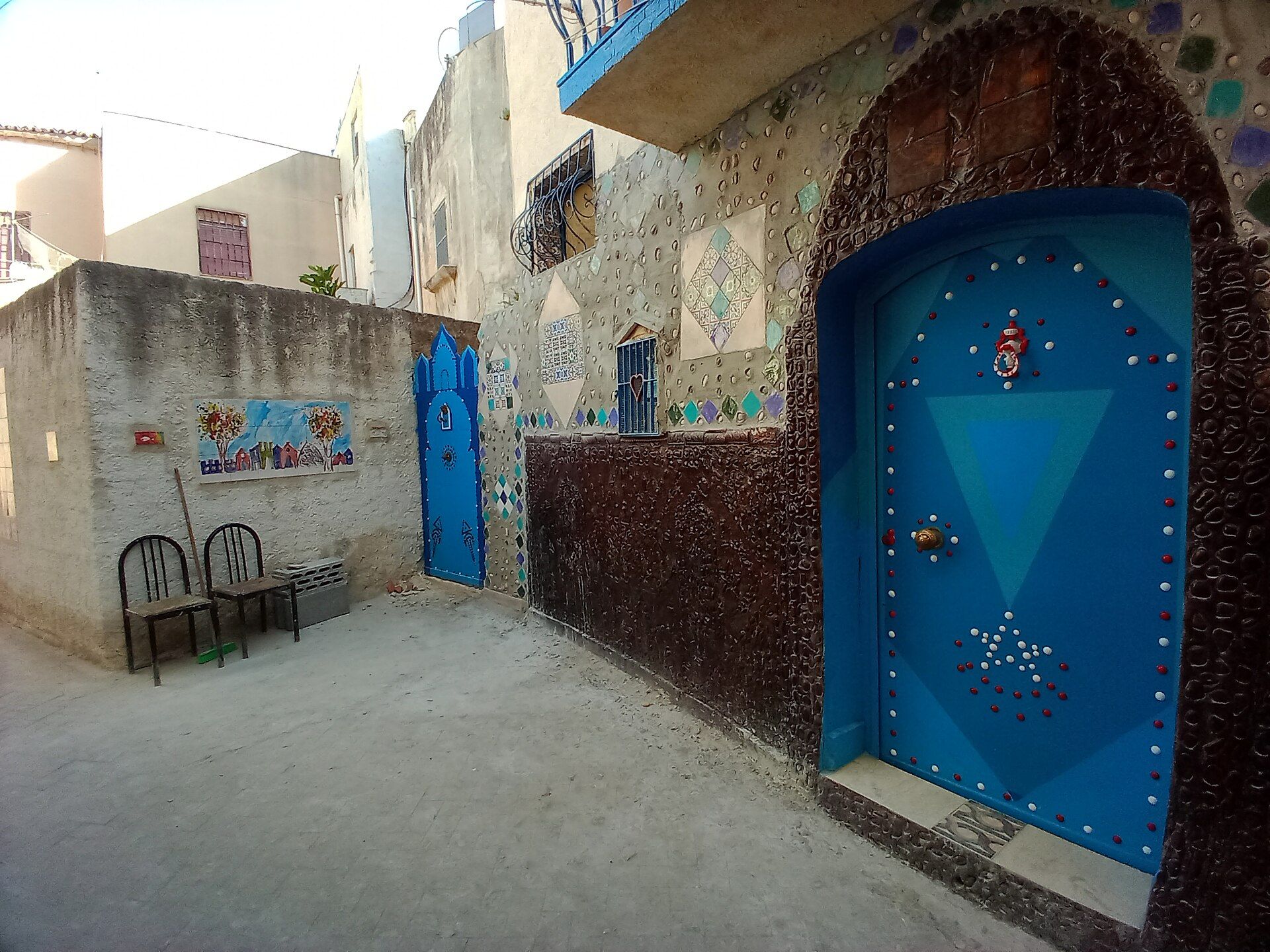
    The place where the story of this dish has its deepest roots: in the Arab quarter of Mazara, fish couscous is made every day as an everyday gesture, not as an event — the most authentic and least festive face of this tradition.

    • A walk through the alleys of the Kasbah, among painted majolica and the scent of spices.
    • Lunch or dinner in one of the neighbourhood’s historic trattorias.
    • Watching, where possible, the traditional preparation in the ceramic mafaradda.
    Discover the experience
  4. 4
    Cuscus di pesce alla trapanese

    Optional Erice

    Fish Couscous with a View

    Independent themed stop

    The same recipe told from a different point of view: from the seven hundred metres of the medieval village, fish couscous is enjoyed with the whole Trapani coast spread out beneath your eyes.

    • Lunch or dinner in a historic restaurant in the centre, with a panoramic terrace.
    • A comparison, for those who have already tasted the Mazara version, of the different local variants of the recipe.
    Discover the experience
  5. 5
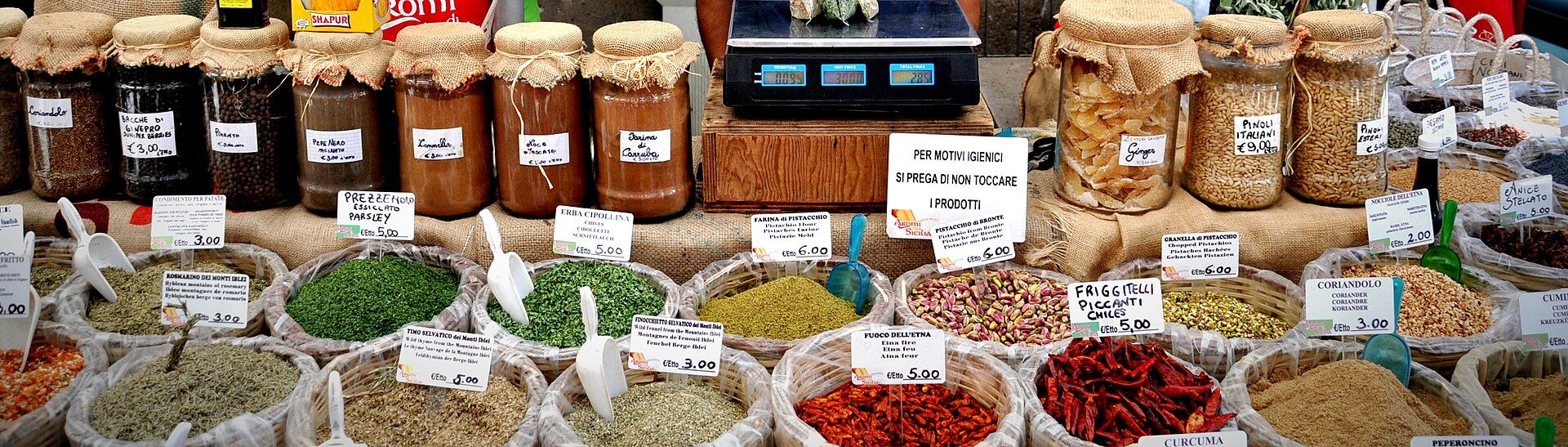
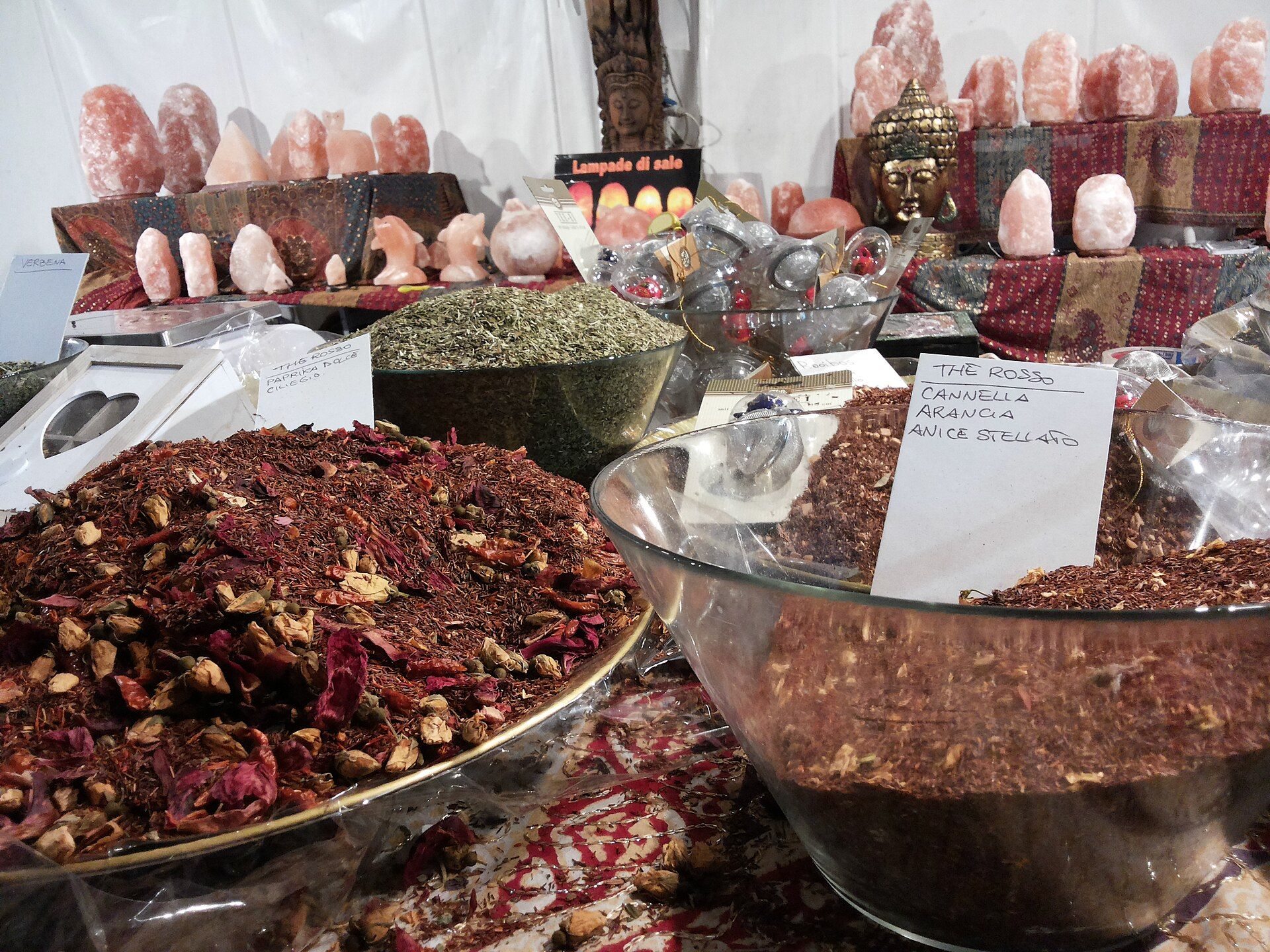
    Spezie della tradizione siciliana

    Optional Trapani

    Spice and Mafaradda Shops

    Independent themed stop

    To take home a piece of this tradition: in the shops of the historic centre you can still find couscous spices and ceramic mafaradde, the same vessel used for generations to roll semolina.

    • A walk among the historic shops of the centre of Trapani.
    • Buying spices, semolina and handmade mafaradde as a food souvenir.
    Discover the experience

Itinerary map

Open the interactive map

To savour along the way

Trapani fish couscous

Take part in the Cous Cous Fest in San Vito Lo Capo and learn to roll the semolina by hand according to tradition.

Partner operators and restaurants

  • Fish couscous in the Kasbah of Mazara del Vallo.
  • Couscous school and tastings in San Vito Lo Capo.
  • Cous Cous Fest — every September, San Vito Lo Capo, since 1998.

Markets, wineries and businesses open to visitors

  • The Kasbah of Mazara del Vallo and the historic trattorias of the neighbourhood.
  • Spice and mafaradda shops in the historic centre of Trapani.
  • Panoramic restaurants and traditional pastry shops in Erice.

Practical information

Getting there and getting around

  • Approximate distance: cross-cutting, across 12 towns.
  • Recommended duration: varies by stop.
  • The stops are independent of each other and can be visited on separate trips; the car is the most practical way to move between towns.
  • For the Cous Cous Fest, plan your accommodation well in advance: prices in San Vito Lo Capo rise during the festival days.
  • The stops in Mazara del Vallo and Erice can be visited all year round, with no need for seasonal booking.

Useful contacts

  • Cous Cous Fest — www.couscousfest.it, Municipality of San Vito Lo Capo.
  • Couscous School — information at the San Vito Lo Capo Tourist Office.
  • The relevant IAT / Tourist Office for Mazara del Vallo.

Prefer a tailor-made trip?

Put together experiences, flavours and stays day by day, starting from the stops of this itinerary.

Plan your trip