Place of interest
Bonagia Tower and Tuna Trap
The structure of the former tuna trap, one of the most interesting from the architectural point of view, now turned into a tourist complex, probably has Norman origins: its existence, with the adjoining tower, is in any case documented in the early sixteenth century. Owned by the royal court, which granted it to private individuals…
Valderice
The place
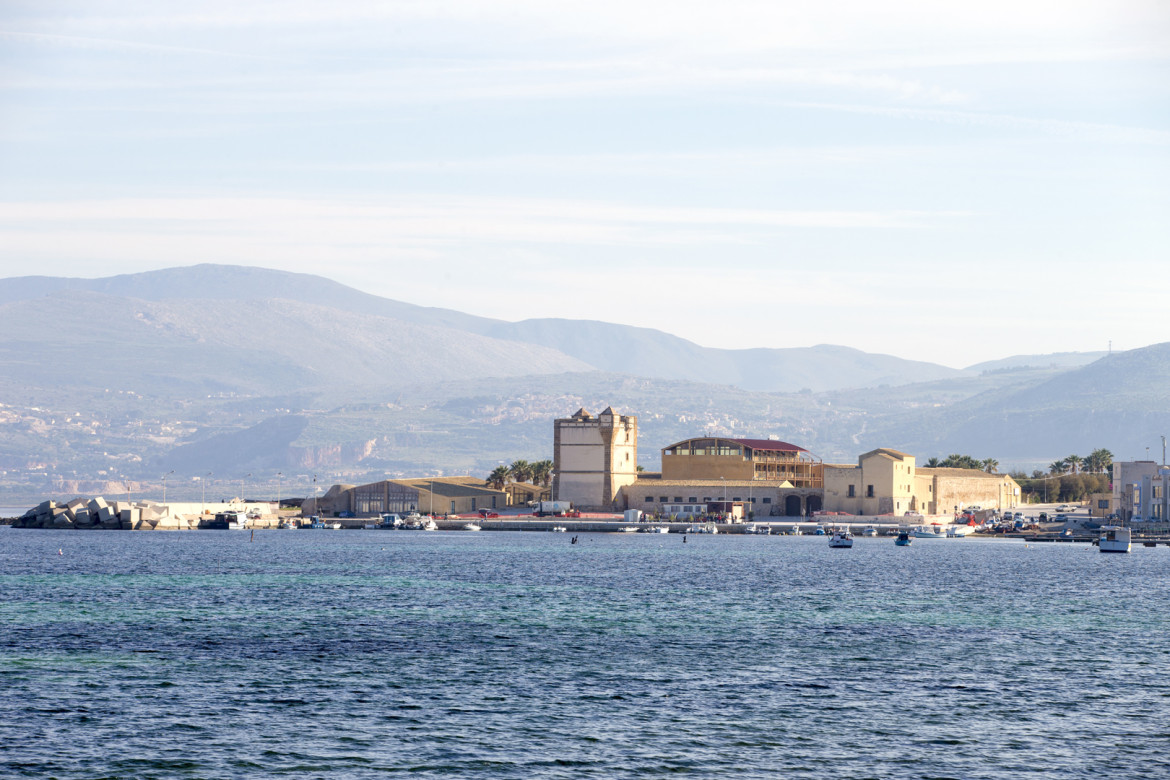
The structure of the former tuna trap, one of the most interesting from the architectural point of view, now turned into a tourist complex, probably has Norman origins: its existence, with the adjoining tower, is in any case documented in the early sixteenth century. Owned by the royal court, which granted it to private individuals, in 1639 it was bought by the Stella family who, with ups and downs, held it until the nineteenth century; it then passed by inheritance to the Opera Pia Casteldimirto and, after the suppression of the religious corporations (1866), having become state property it was entrusted to private individuals, to then be sold in the 1980s to a company that turned it into a hotel and residence.
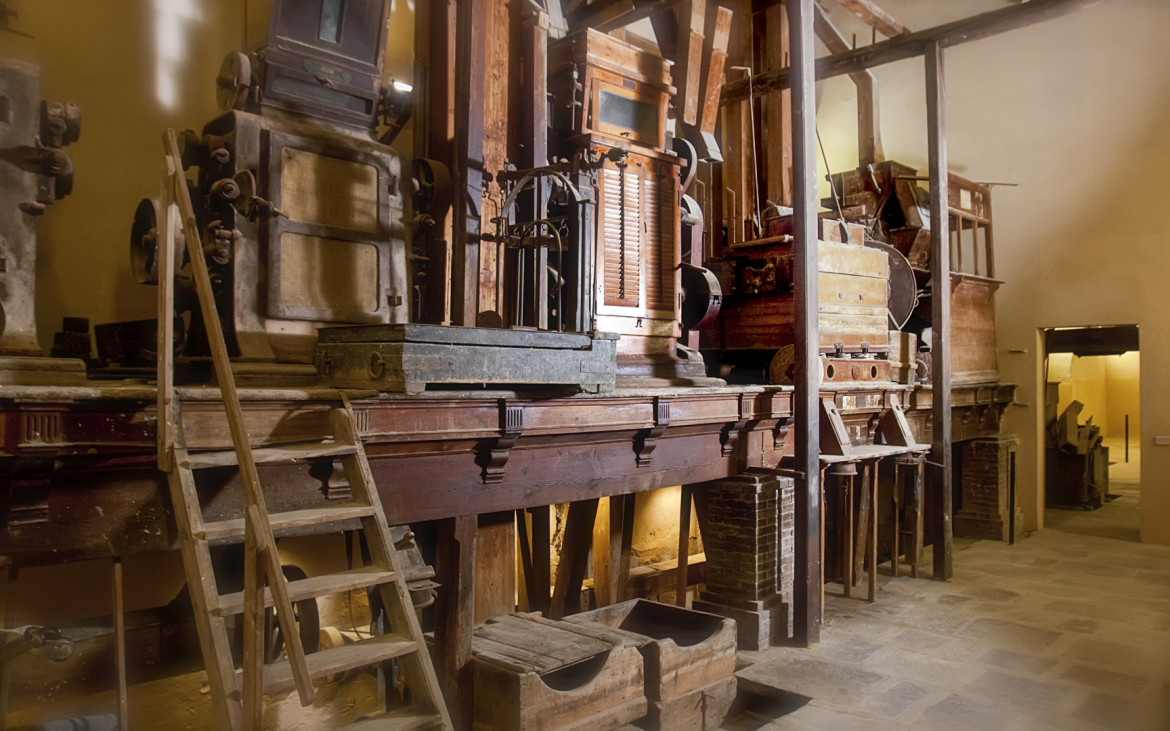
Even with the changes it has undergone, the old tuna trap has kept its physiognomy as a fortified structure with a very large central courtyard onto which the storehouses and stables, the kitchen, the oven and the mill, the keeper’s lodging and also the little church projected. On the upper floor were the quarters of the rais, the gabelloto (tenant) and the chaplain; the owner lived in a two-storey palazzetto with a terrace. The pagliari, rustic rooms for the crews, were on the left side of the tuna trap, while on the right side was the trizzana, a large shed for keeping the boats.
Incorporated in the structure of the tuna trap is a watchtower, with a square plan and two sentry boxes at the top, rebuilt in 1626, as attested by the date carved at the entrance, after the destruction caused by a Barbary attack in 1624. Today it houses the tuna trap museum where, together with archaeological finds recovered at sea, working tools and a model of a sea tuna trap are kept, reproducing the series of nets for catching tuna and the chamber of death.
Outside, lined up in orderly sequence, are the numerous anchors that were used for catching tuna, the mattanza.
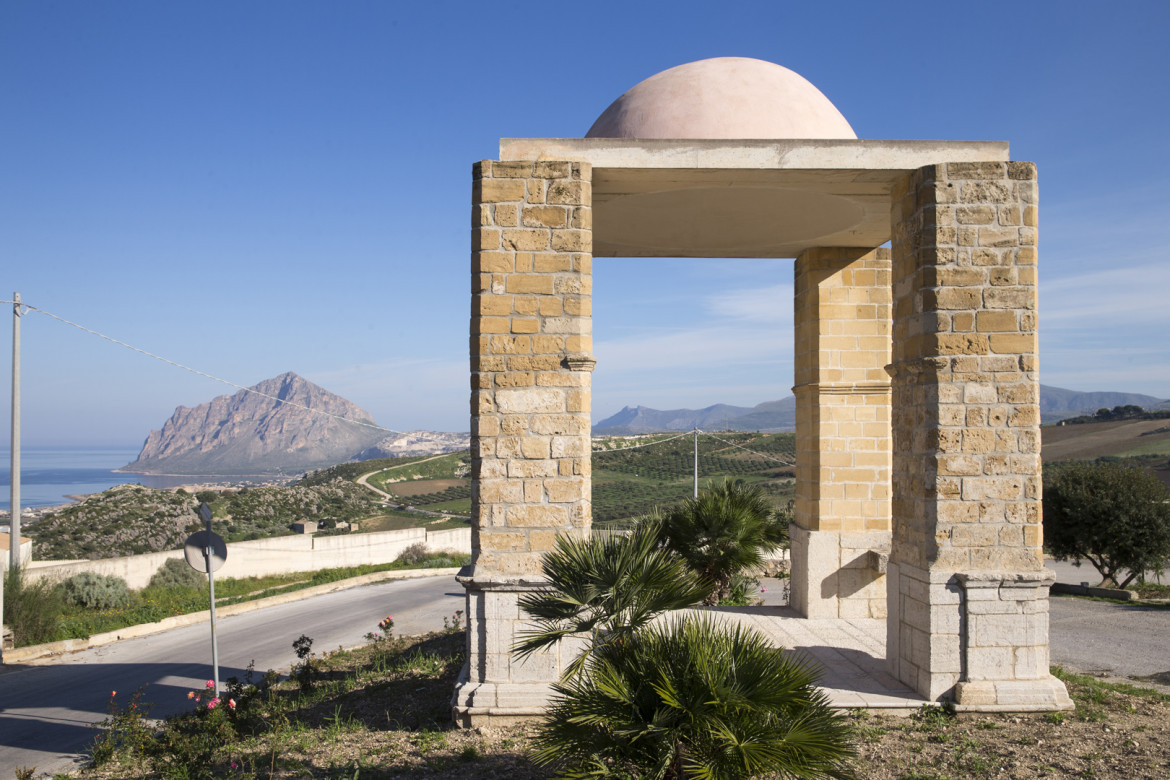
From the shore you can admire the marvellous landscape over the Tyrrhenian Sea, around the splendid gulf enclosed between hills and ending in Monte Cofano, with a glimpse of the Punta Lunga of San Vito Lo Capo.