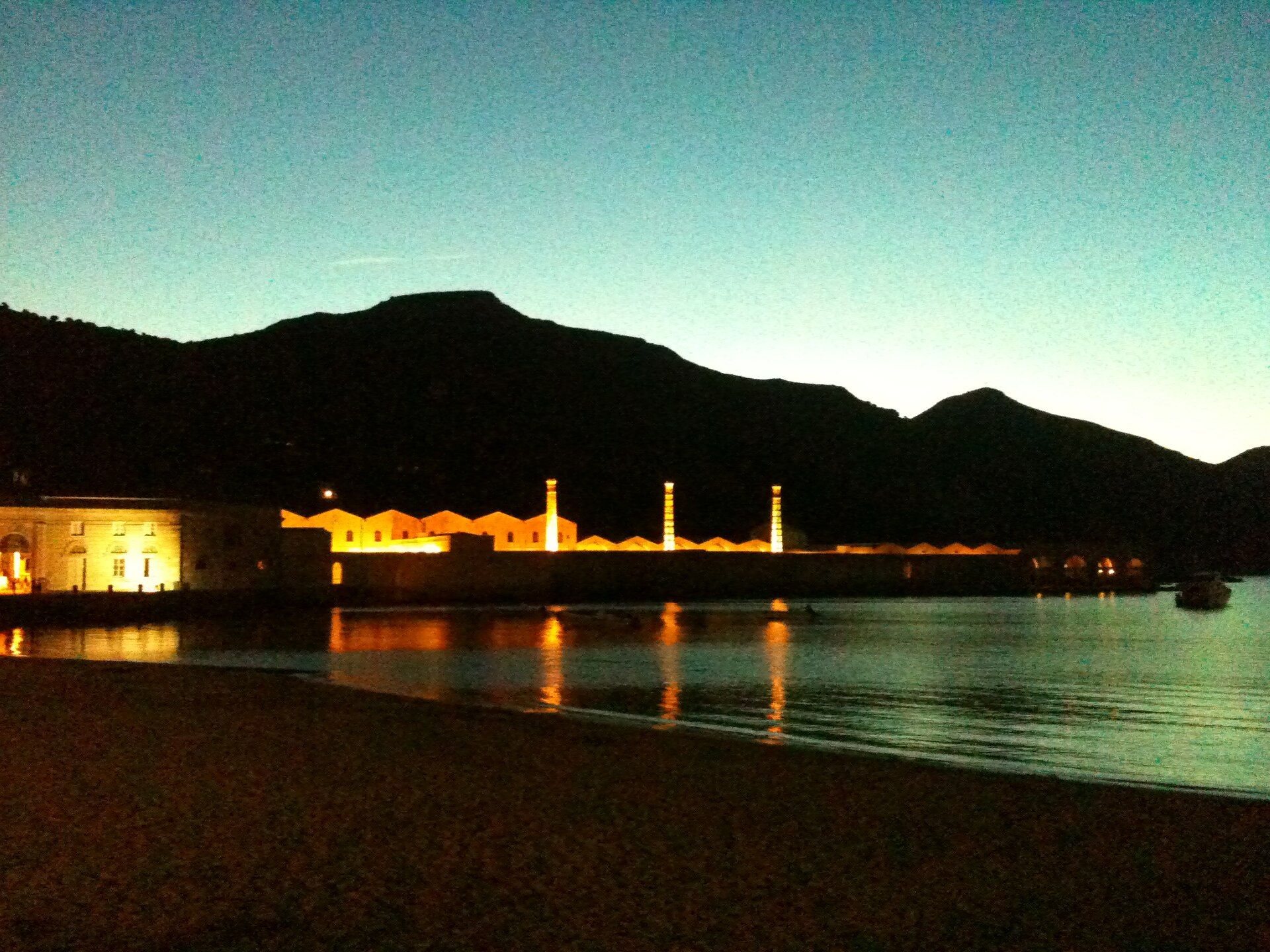
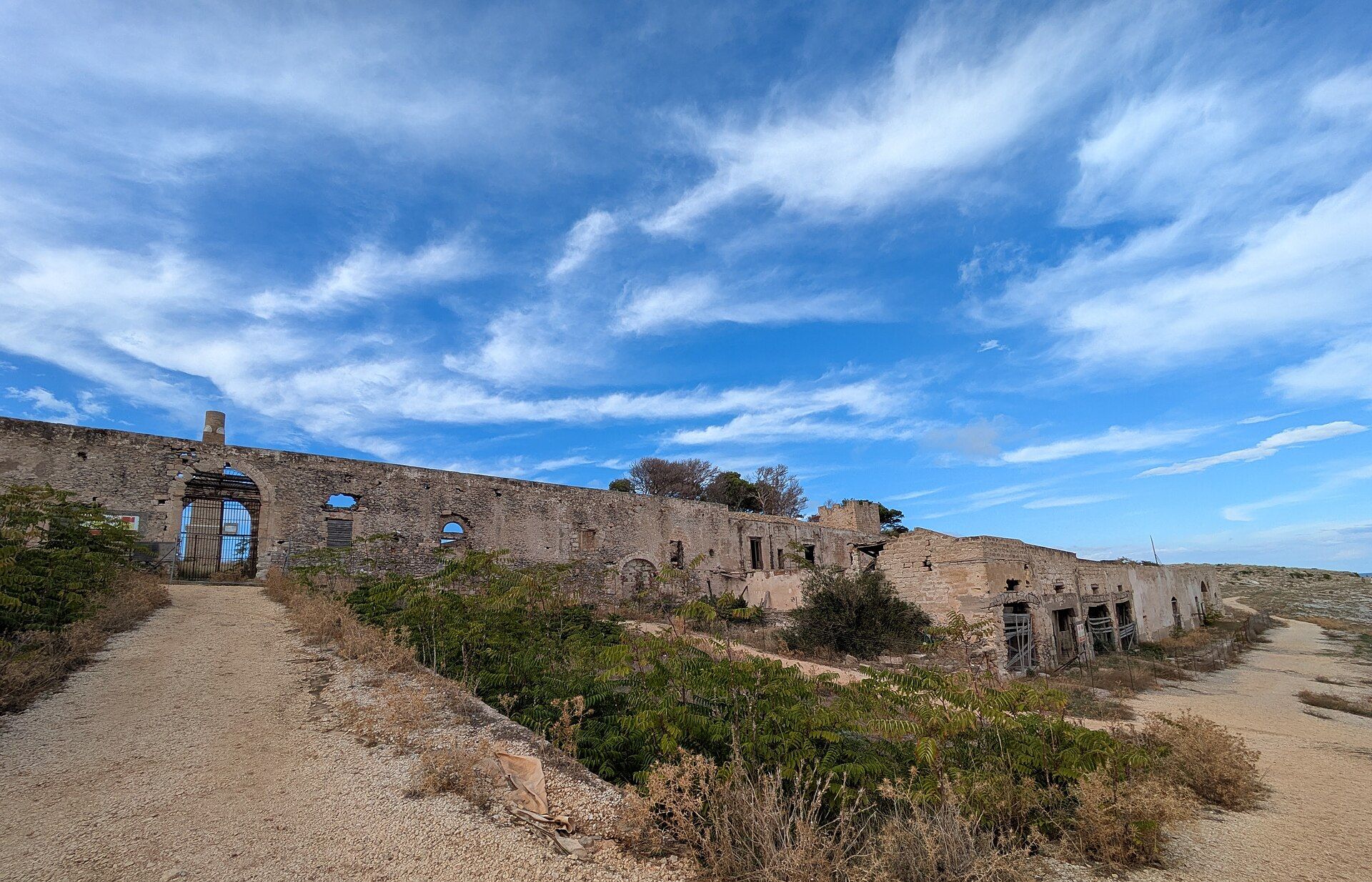
Every spring, for centuries, tuna crossed the Strait of Gibraltar to enter the Mediterranean to spawn, and the Trapani coast awaited them with a system of nets, rituals and whole communities built around a single event: the mattanza (the traditional tuna kill). In Favignana this relationship reached its greatest grandeur: the former Florio Establishment, with arches that recall a cathedral, was the place where an entrepreneurial intuition turned tuna fishing into an industry that came to catch more than 14,000 fish in a single season.
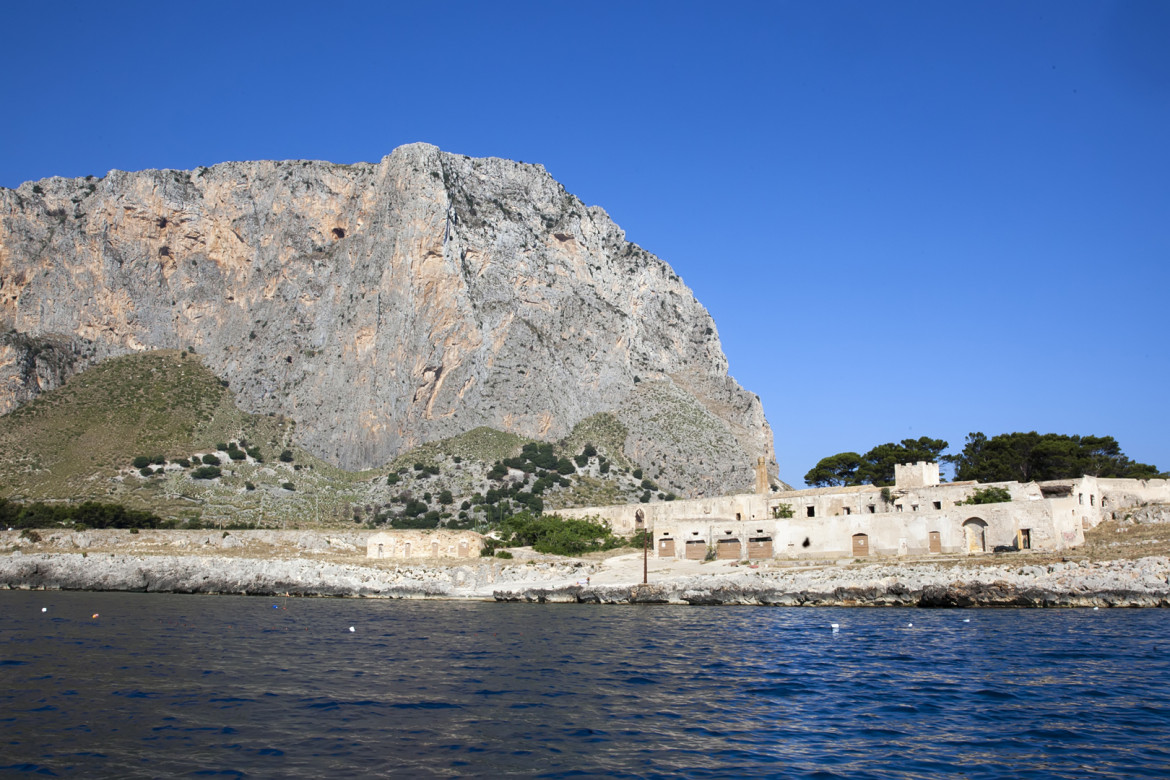
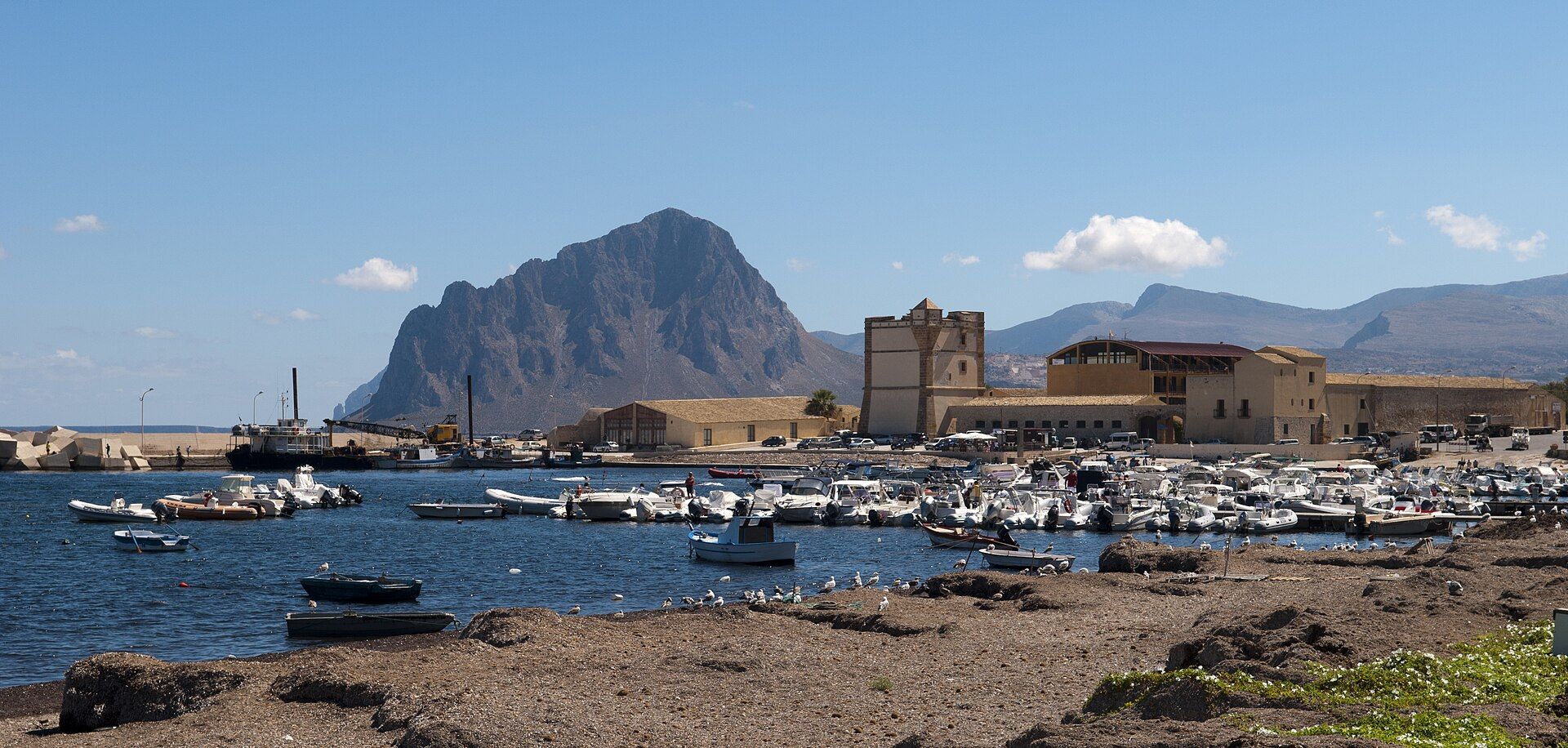
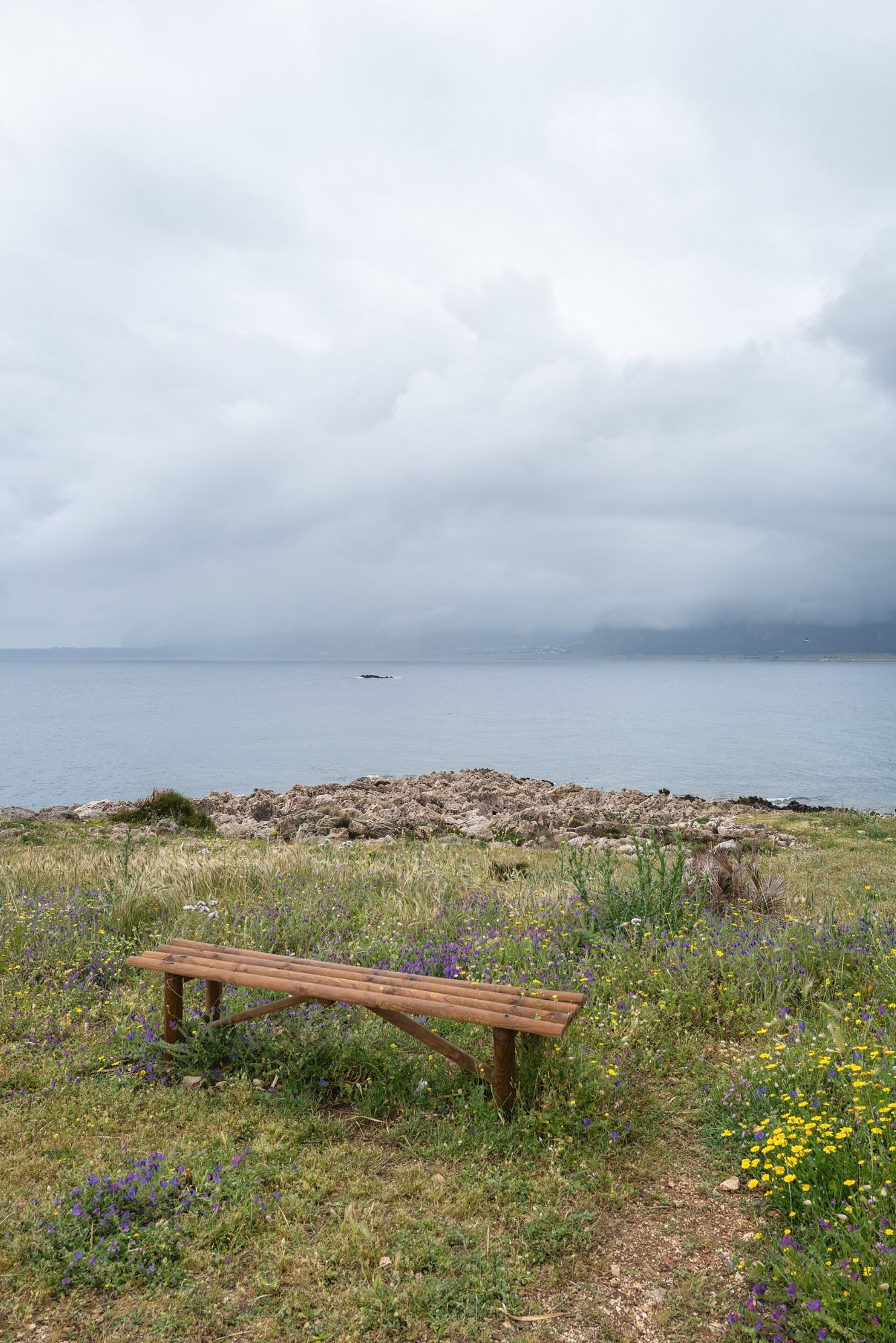
But it was not only the Florio industry that told this story. In Bonagia, the Saracen tower still watches over a small harbour where the “cialome” — the songs of the tonnaroti — accompanied the work of the nets, and the rais’s stories are handed down from generation to generation. In Cornino, at the foot of Monte Cofano, an old tuna trap of medieval origin has let itself be wrapped by the nature of the reserve. In San Vito Lo Capo, the Tonnara del Secco — declared a “place of the heart” by the FAI (the Italian National Trust) — remains suspended in an almost cinematic silence, among Punic tanks and memories of a last mattanza never repeated.
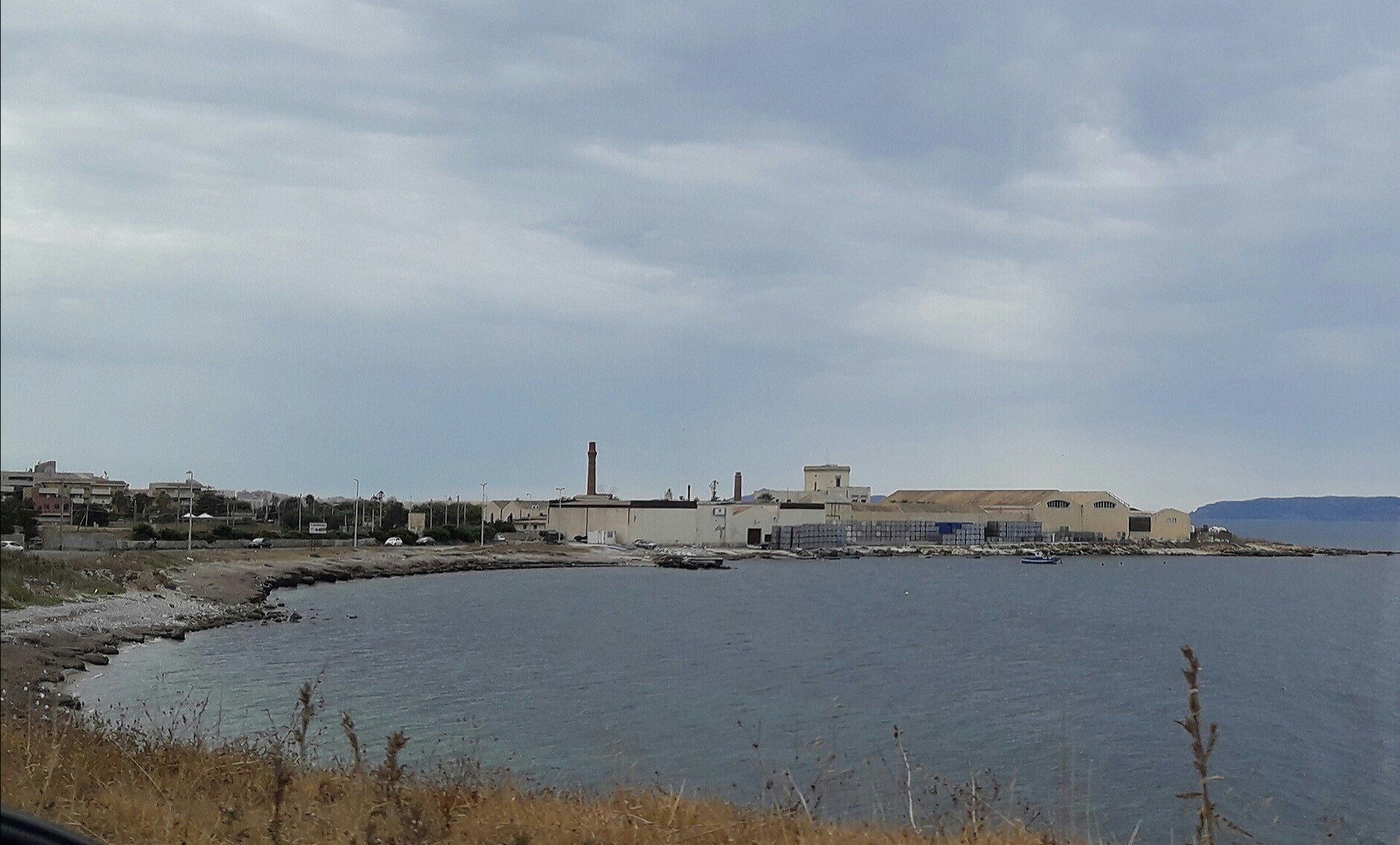
Following this itinerary means crossing the whole arc of bluefin tuna in Sicily: from the industrial splendour of Favignana to the melancholy of a trade that has almost disappeared, to Trapani where — the only case in Sicily — tuna processing still continues today, in an unbroken dialogue between memory and present.