Place of interest
Church of Santa Maria del Gesù
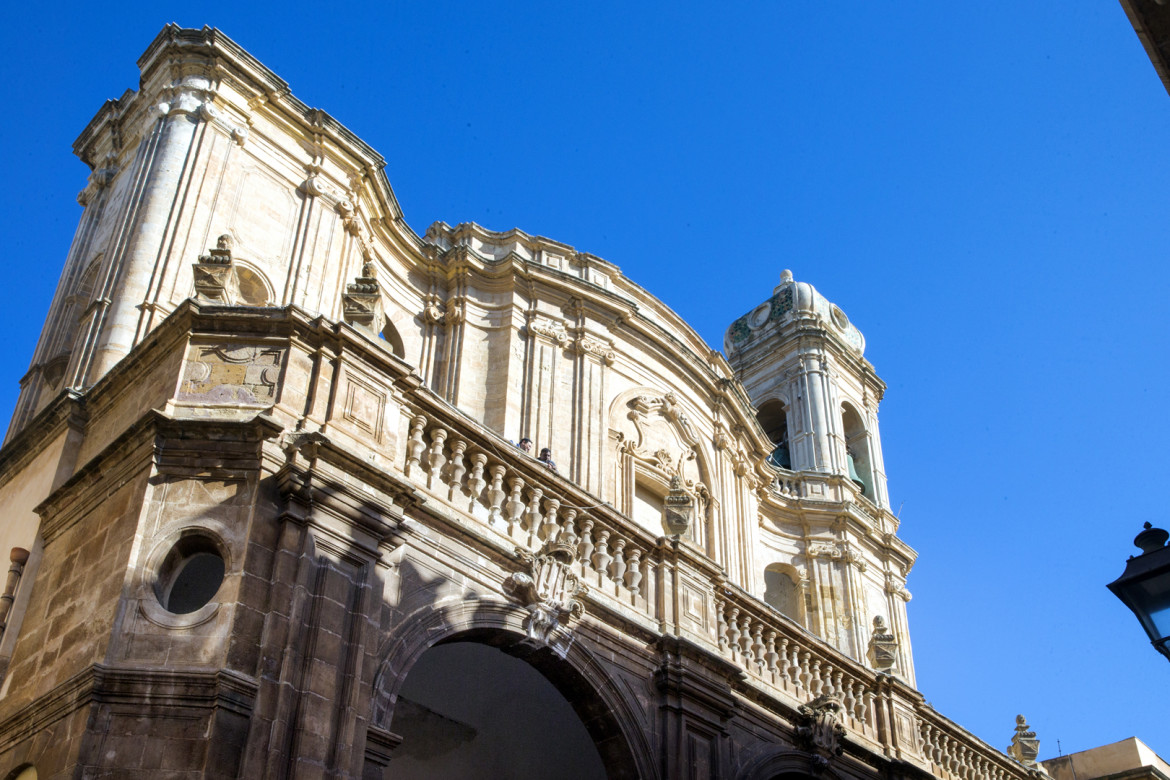
The Franciscan church, one of the most significant in the historic centre for its pleasing late-Gothic forms, was built in the sixteenth century, at the expense of the Treasury, by the Observant friars who in 1535, having been deprived of their original church of S. Maria dei Greci, demolished to widen the walls, set about building a new church with an adjoining convent…
Trapani
The place
The Franciscan church, one of the most significant in the historic centre for its pleasing late-Gothic forms, was built in the sixteenth century, at the expense of the Treasury, by the Observant friars who in 1535, having been deprived of their original church of S. Maria dei Greci, demolished to widen the walls, set about building a new church with an adjoining convent, on the site once occupied by the consulate of the Venetians and the chapel of San Marco.
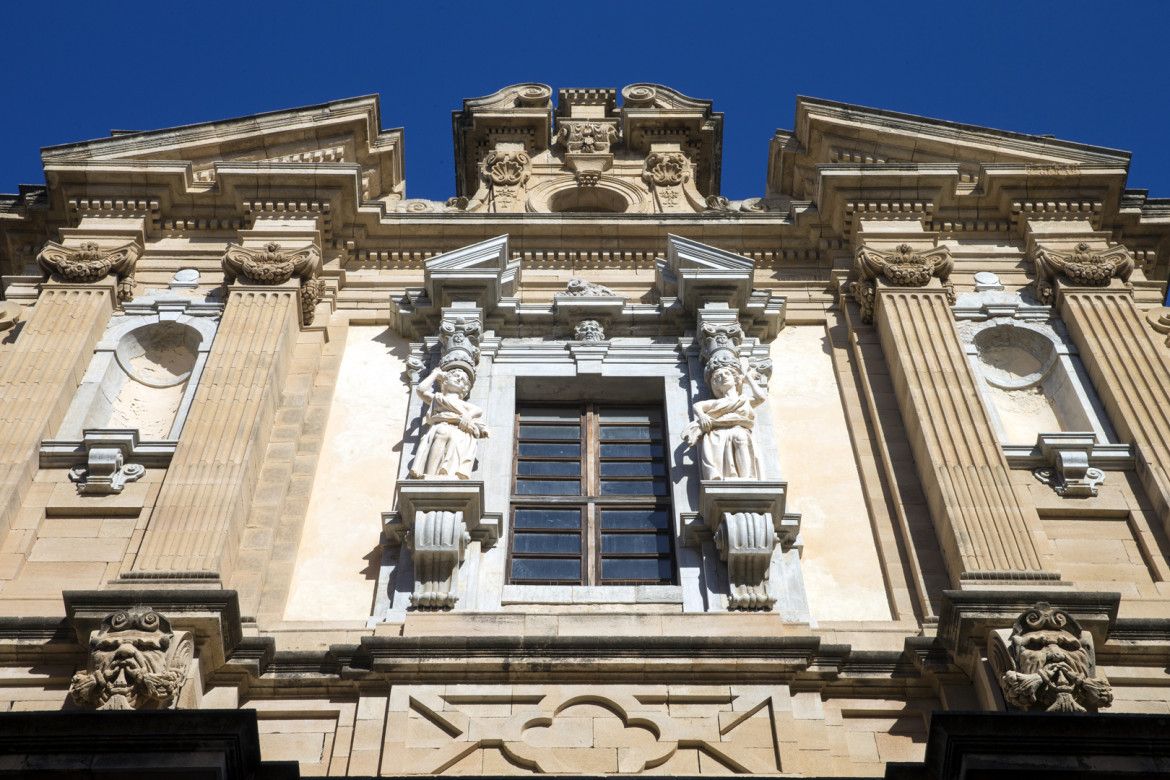
The present church has a gabled front, with exposed ashlars, in which a pointed portal opens; another portal in Catalan Gothic style, with a lintel bearing an Annunciation in bas-relief (15th century), is on the south side of the church.
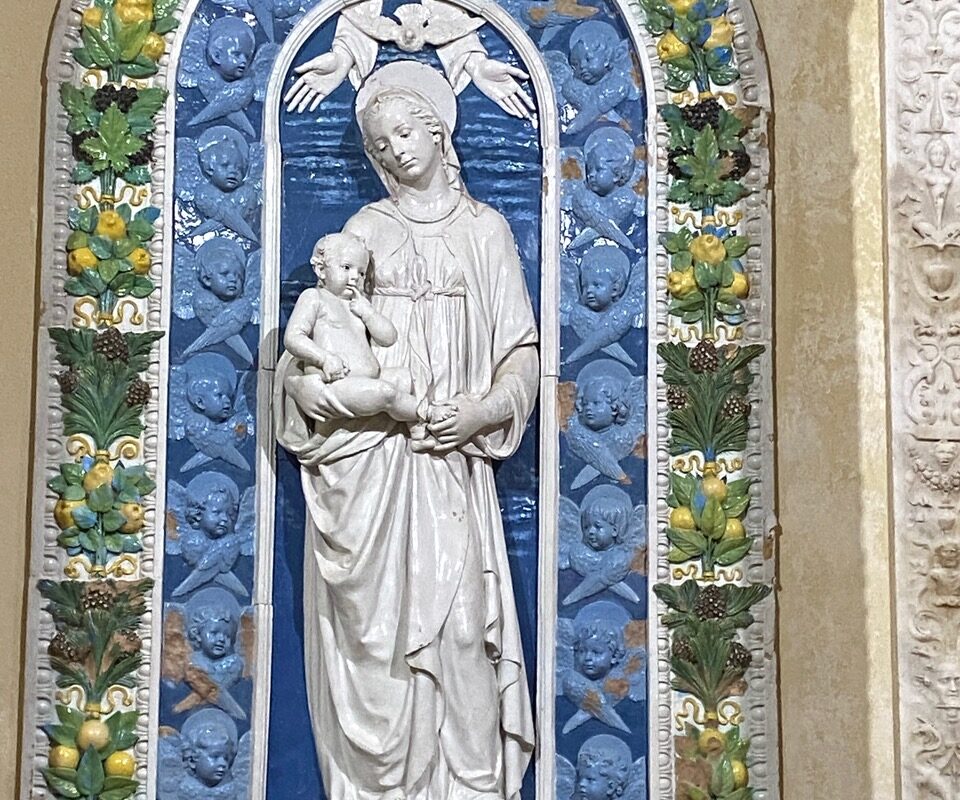
The plan is basilical, with three naves divided by pillars and a wooden trussed roof; the central apse is instead covered by a ribbed umbrella vault. On the right side of the apse is a Renaissance chapel with a square plan (with a domed roof and Arab-style corner solutions) where a fine Madonna and Child in glazed terracotta by Andrea della Robbia (15th century) is placed. The relief, framed by little angel heads and festoons of fruit and flowers, is set under a marble canopy by Antonello Gagini (1516), decorated with classical-style plant motifs. The chapel also contains the sixteenth-century sarcophagi of Iacopo and Margherita Staiti.
To the right of the entrance is a marble ciborium of the Gagini school with the coat of arms of the Ciambra family (16th century). The church also preserves, among other things, paintings by Vito Carrera (17th century) and the statue of Saint Paschal by Mario Ciotta (17th century), both from Trapani.