Coast of western Sicily
Erice
An area to discover
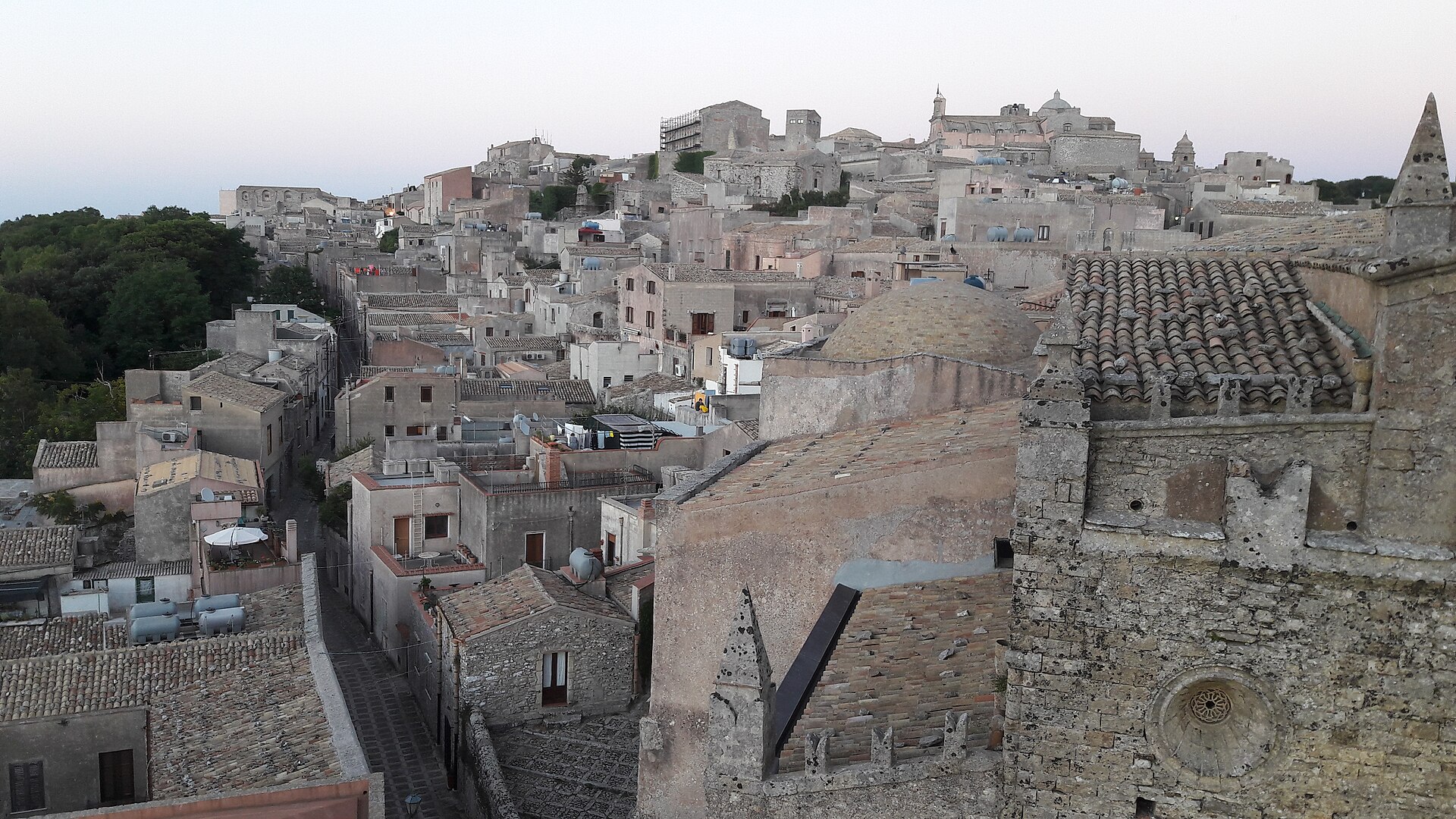
Medieval village perched on Monte Erice, famous for its historic centre, its views and its local traditions.

Coast of western Sicily
An area to discover
Medieval village perched on Monte Erice, famous for its historic centre, its views and its local traditions.
To experience
Experience • Erice
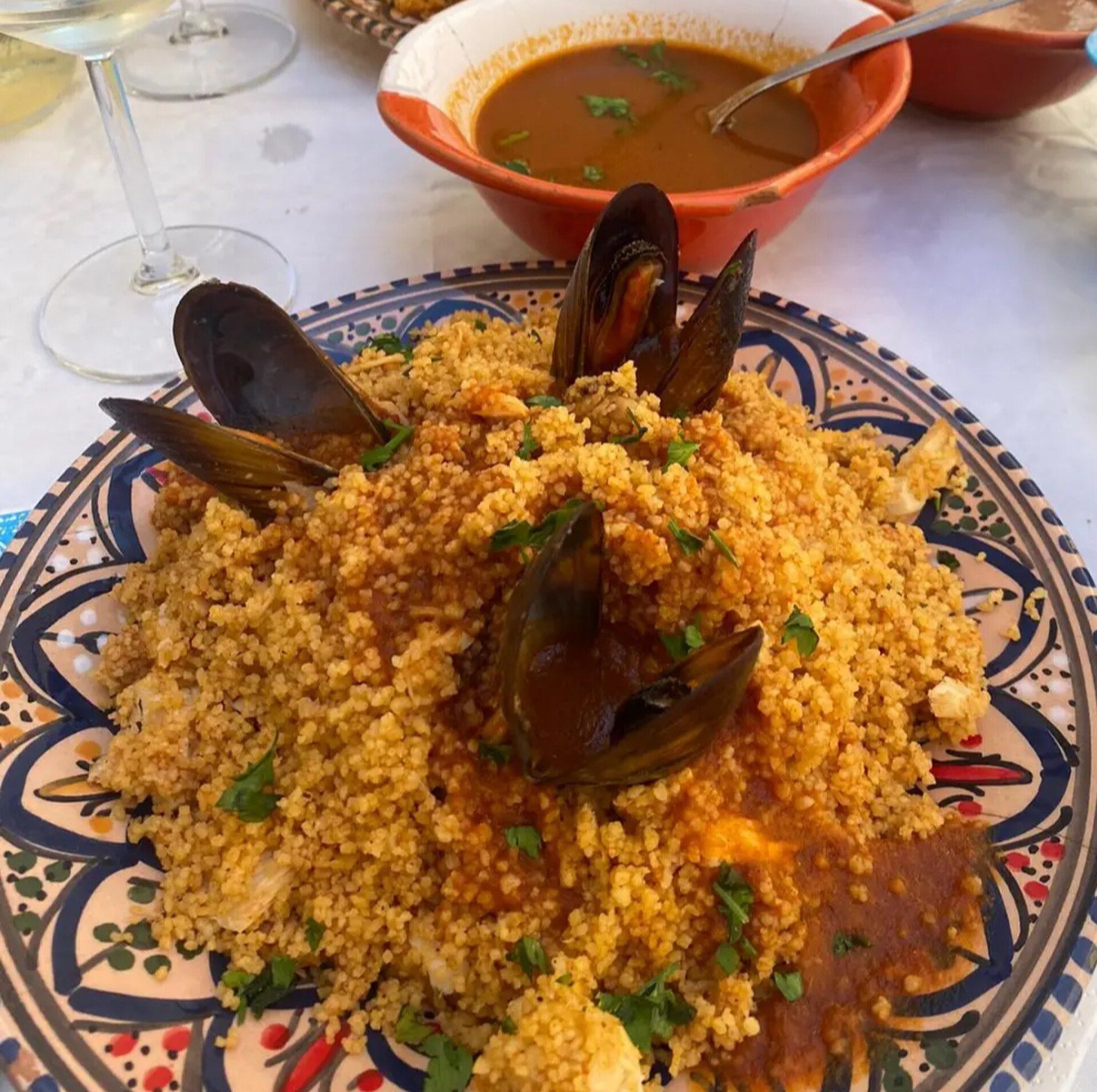
The same recipe told from a different point of view: from the seven hundred metres of the medieval village, fish couscous is enjoyed with the whole Trapani coast spread out beneath your eyes.
Discover the experience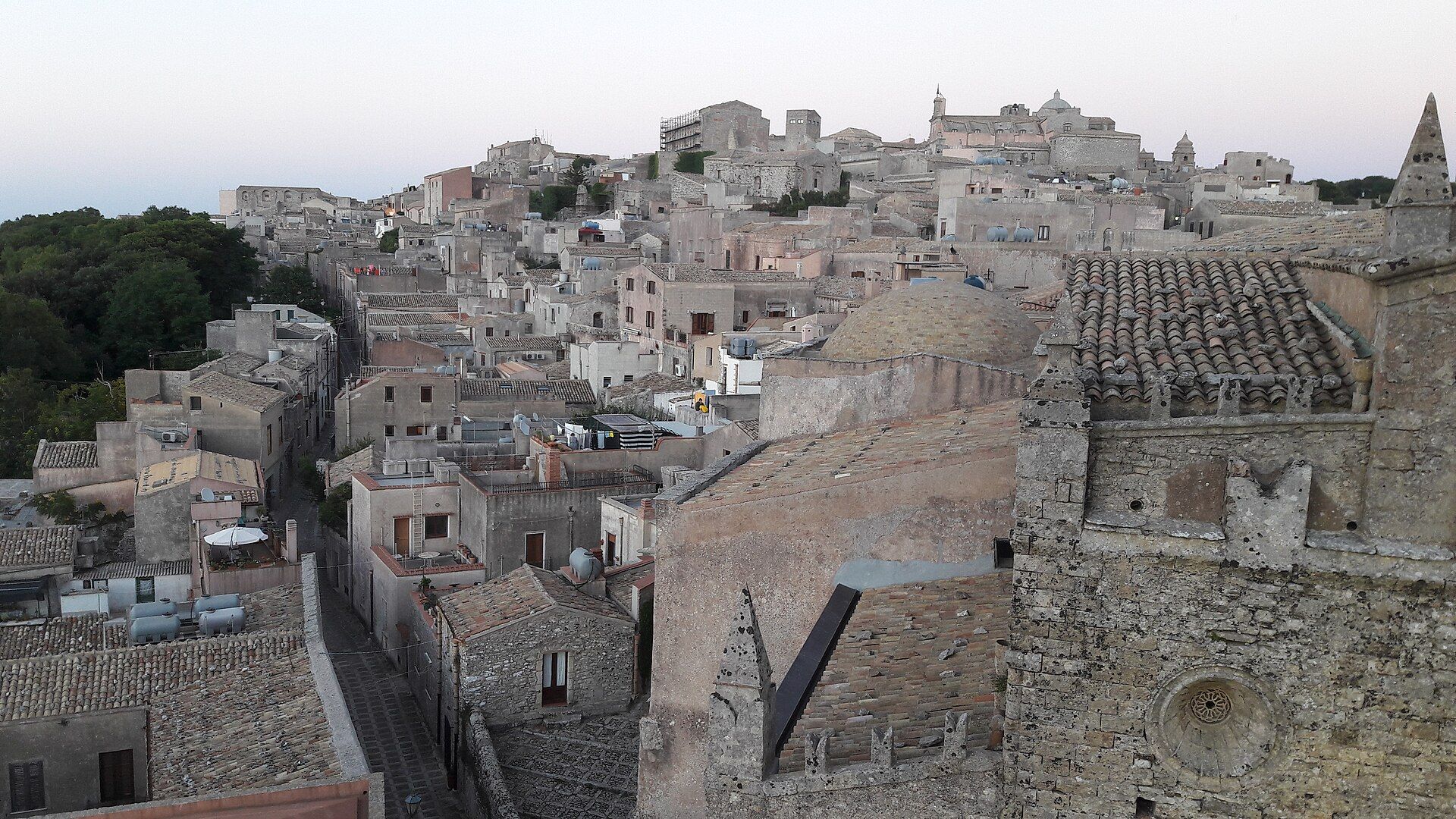
Experience • Erice
From the seven hundred metres of the medieval village, the whole coast covered in this itinerary can be seen at once: the ideal place to close the story with a meal that looks down on the sea the catch comes from.
Discover the experience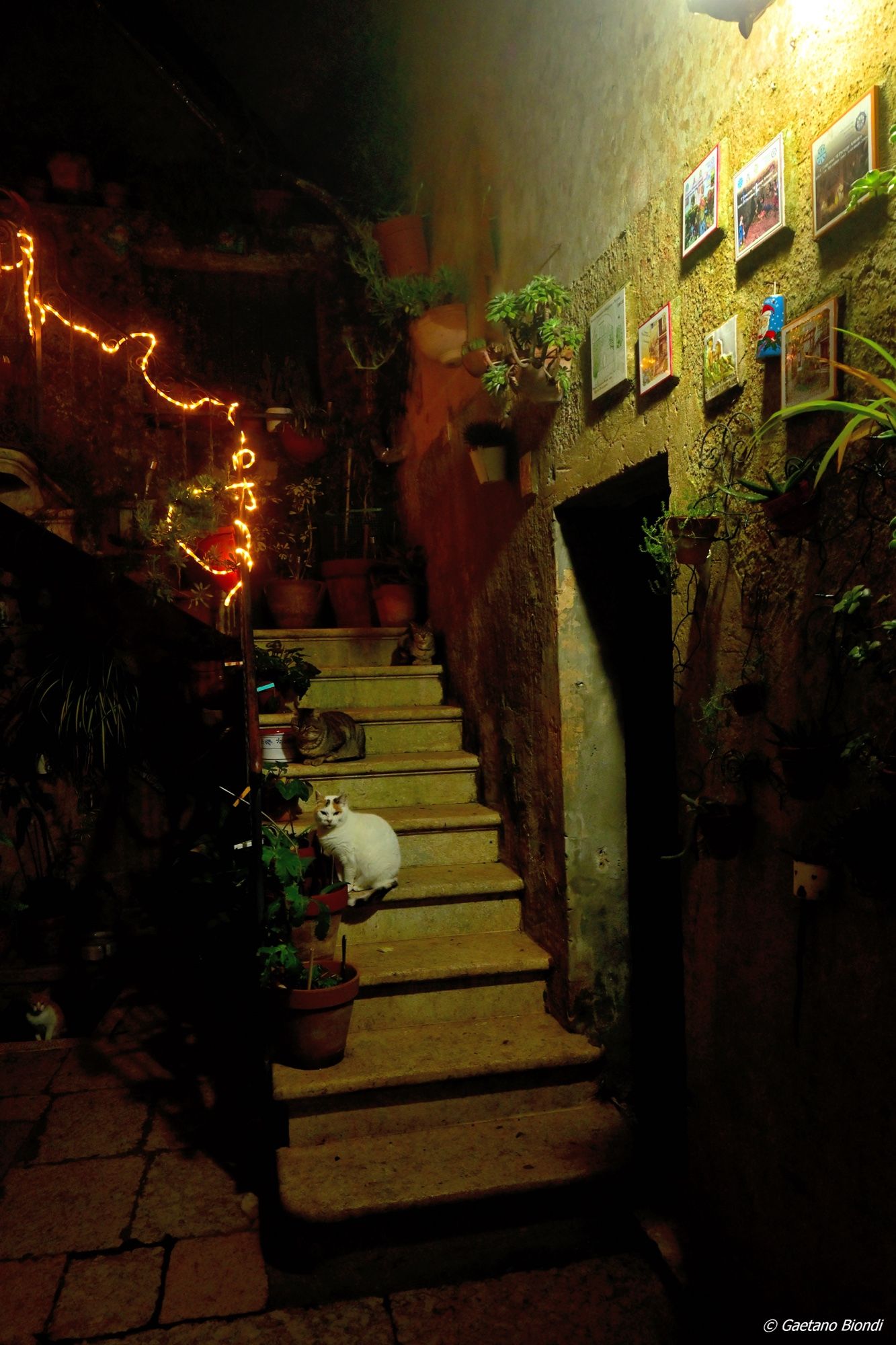
Experience • Erice
A walk along the cobbled streets of Erice and a meeting with the local pastry tradition.
Discover the experience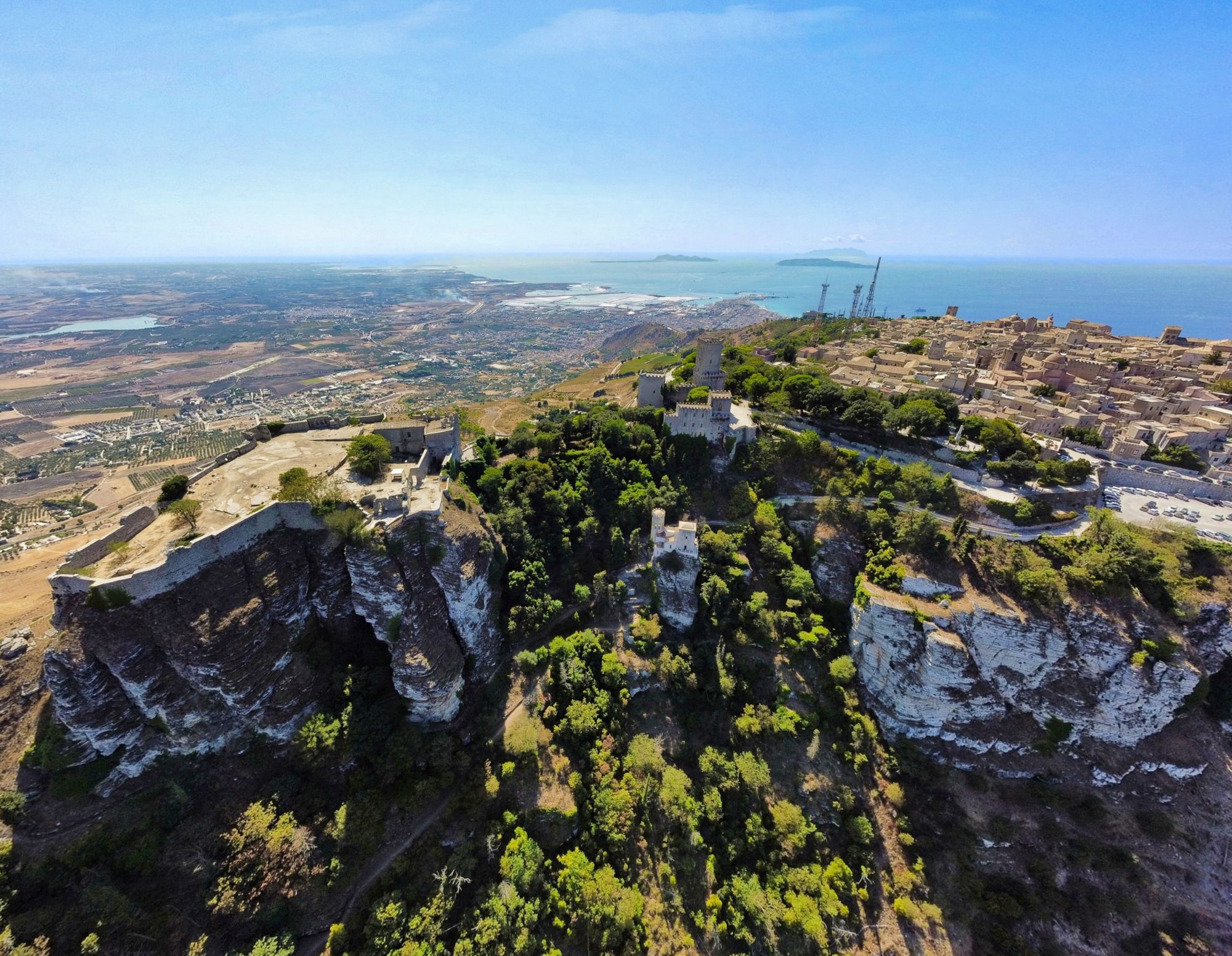
Experience • Erice
A theatrical route through the village that weaves together the cult of Venus, the walls, the castle and the stories of popular tradition.
Discover the experience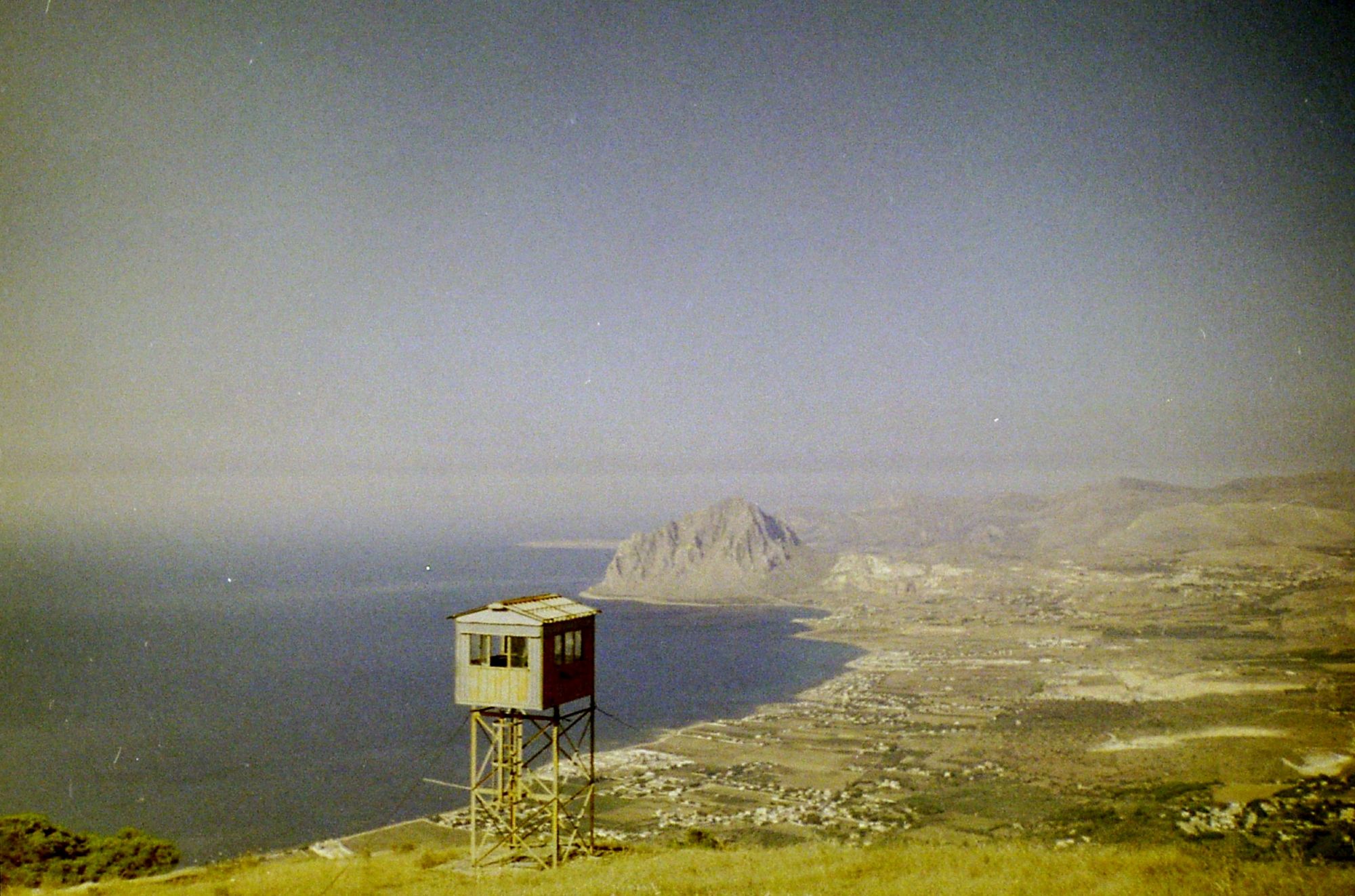
Experience • Erice
Guided hike on the paths of Monte Erice among woods, viewpoints, rural chapels and the approaches to the village.
Discover the experience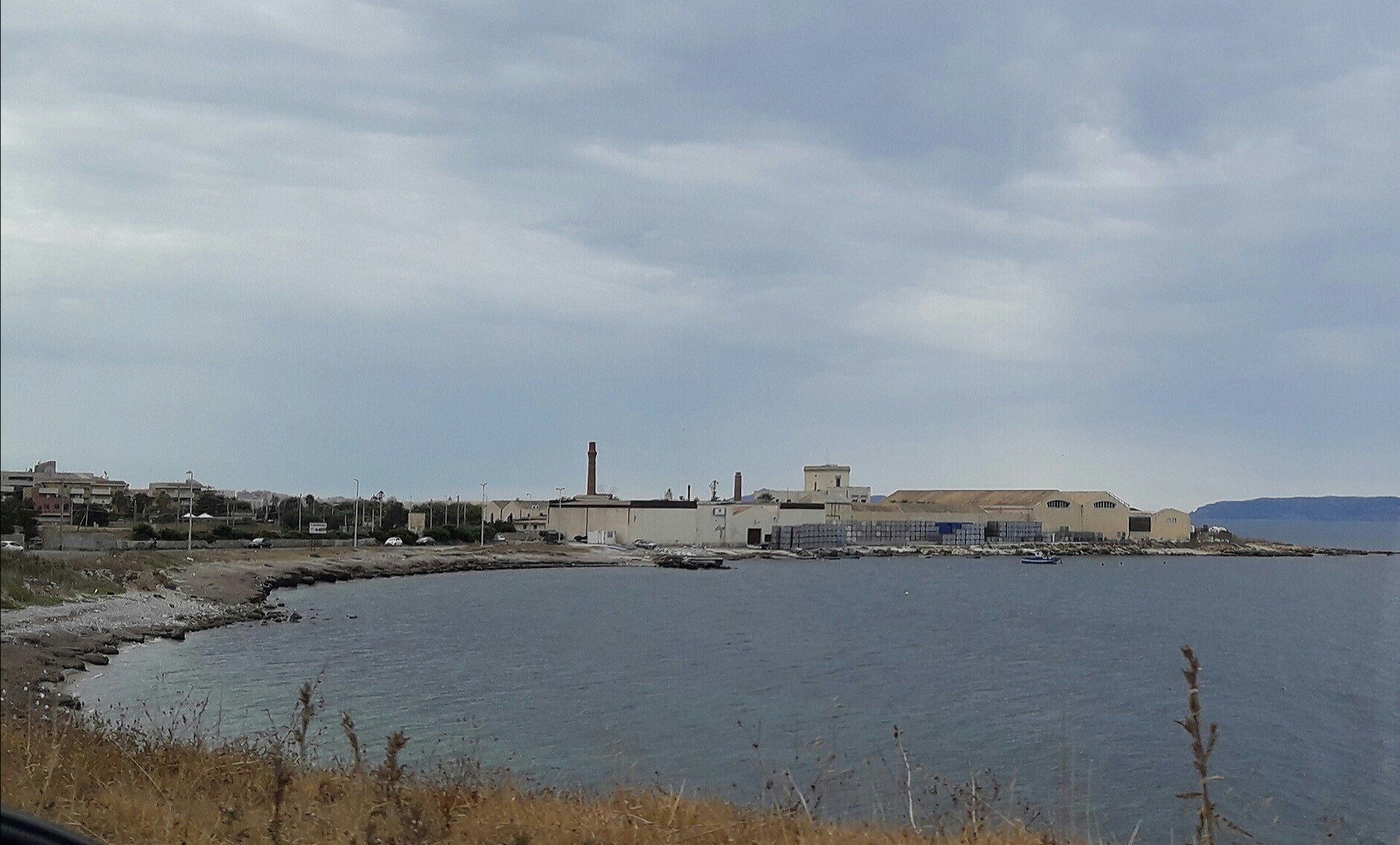
Experience • Erice
The only Sicilian tuna trap that has kept its original function: here the tuna industry is not a museum memory but a still-living activity, in direct continuity with the old San Giuliano tuna traps.
Discover the experienceTo experience
Place
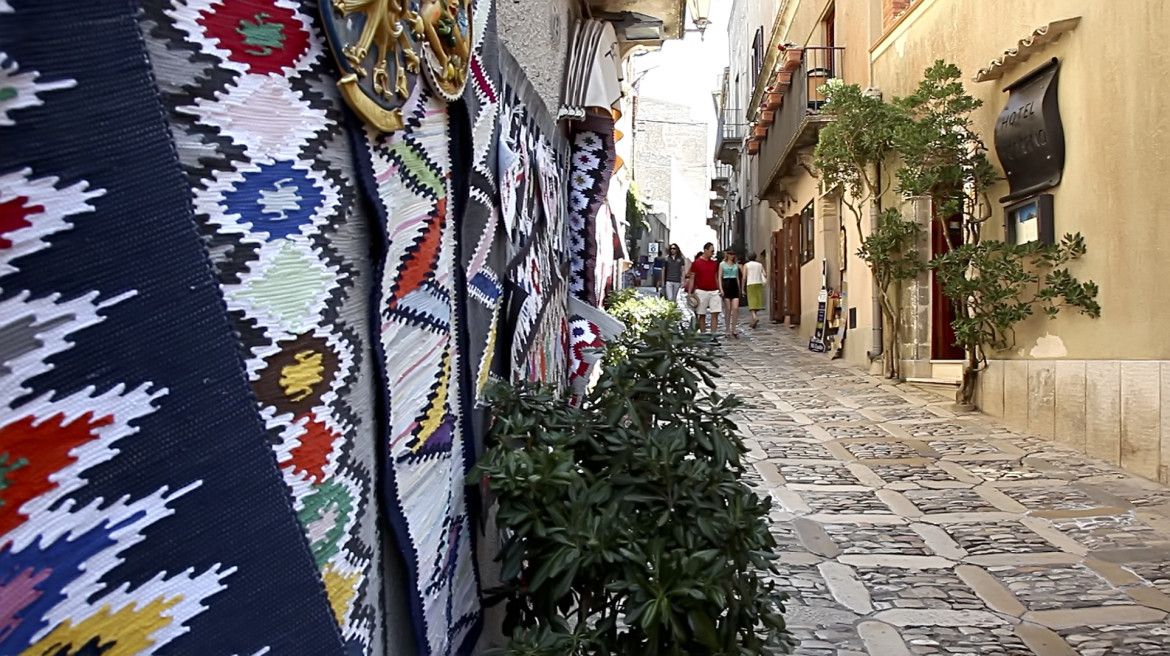
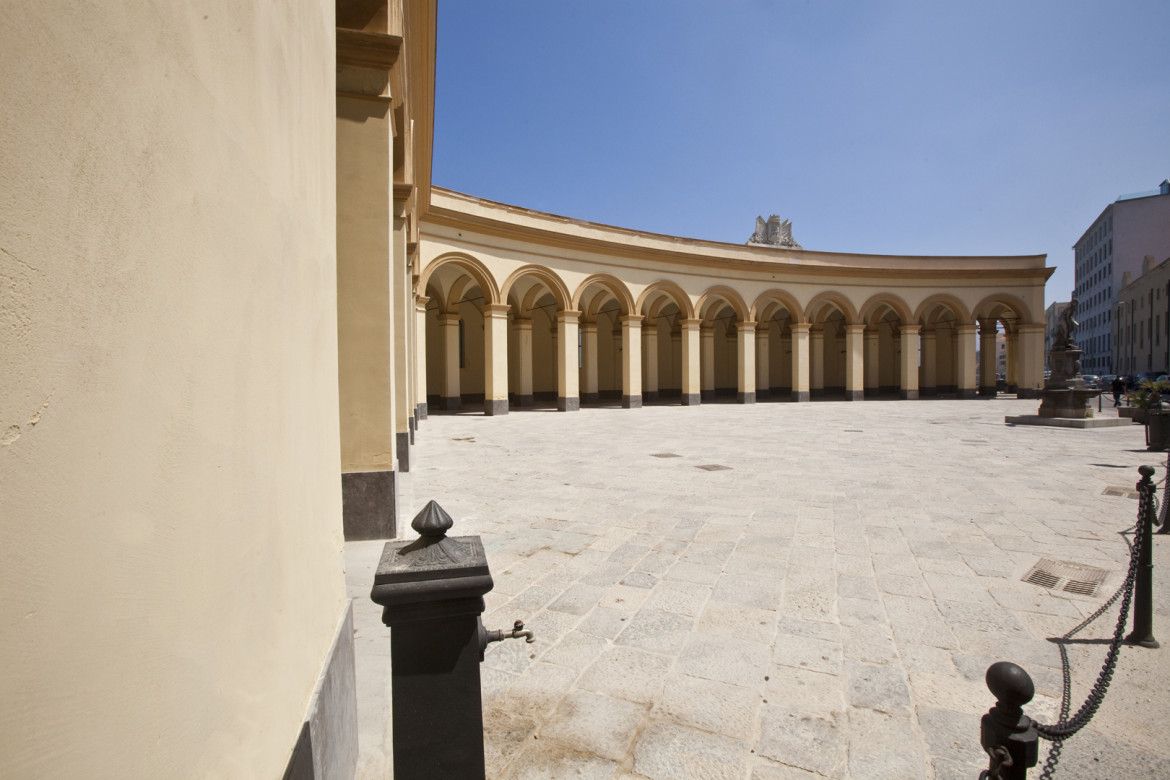
The paving is the original paving of Erice’s streets: from the oldest, formed only of stones or with simple guides, to the one in panels designed in the nineteenth century by the engineer Girolamo Varjo and made of polished slabs, in elongated hexagon shape, called catene (chains), which frame…
Find out more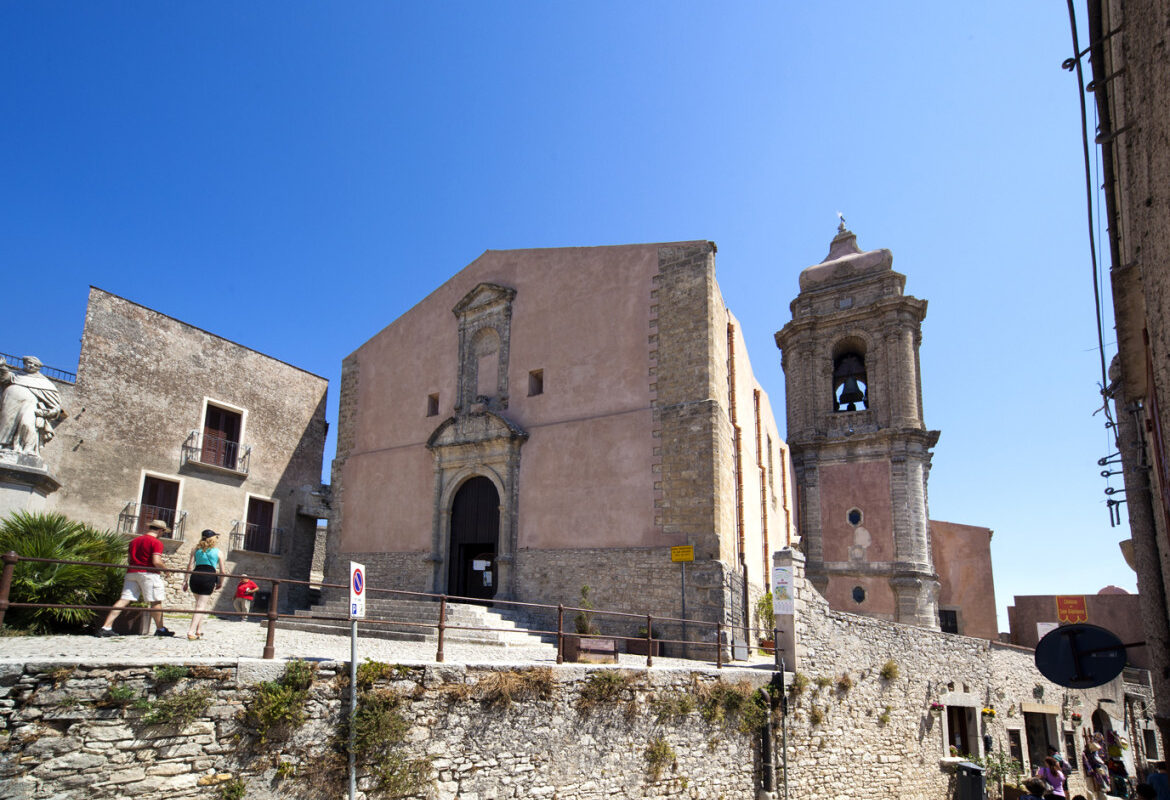
Place
According to legend, the Church of San Giuliano was built by Roger of Hauteville in 1076, to thank the Hospitaller Saint who had helped his son Jordan drive the Arabs out of the city, appearing on a white horse with a pack of dogs.
Find out more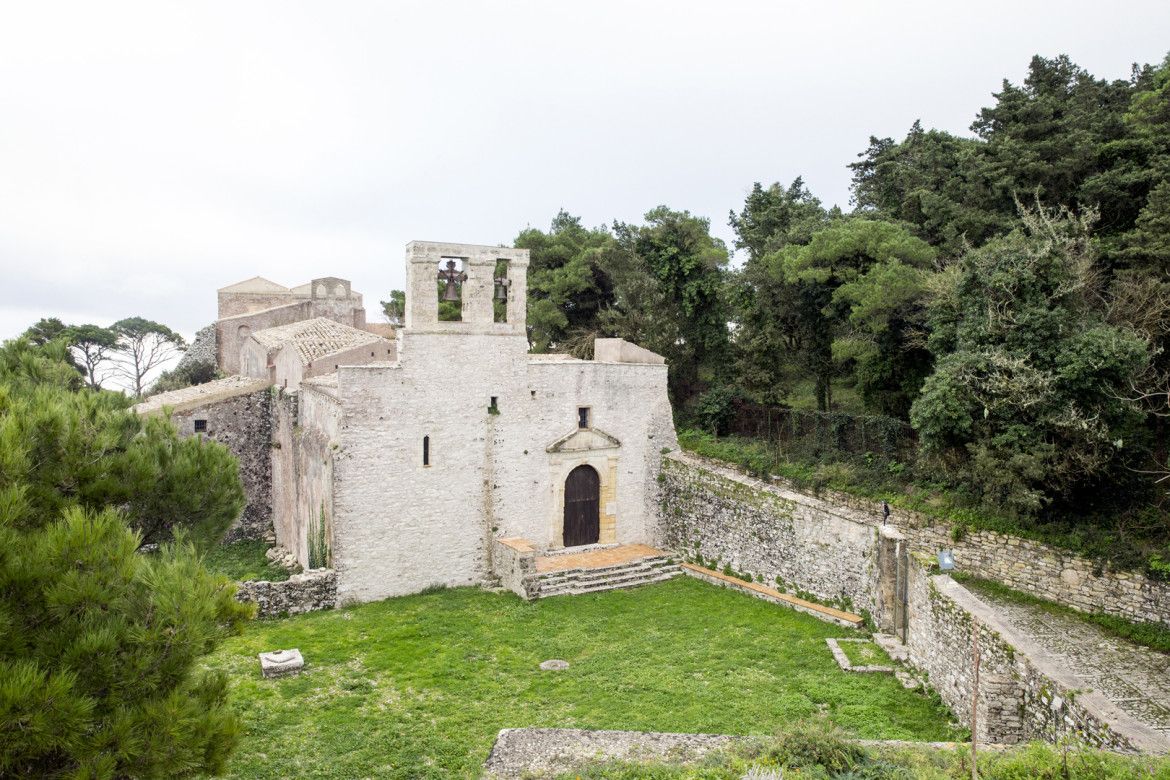
Place
The existence of the Church is dated by local historians to the fourteenth century (1339), but it is likely that the first building dates back to the twelfth century; it underwent restorations in the fifteenth century, between 1430 and 1436, was renewed and enlarged in the seventeenth (1631), and in the eighteenth century the altars were decorated with stuccoes.
Find out more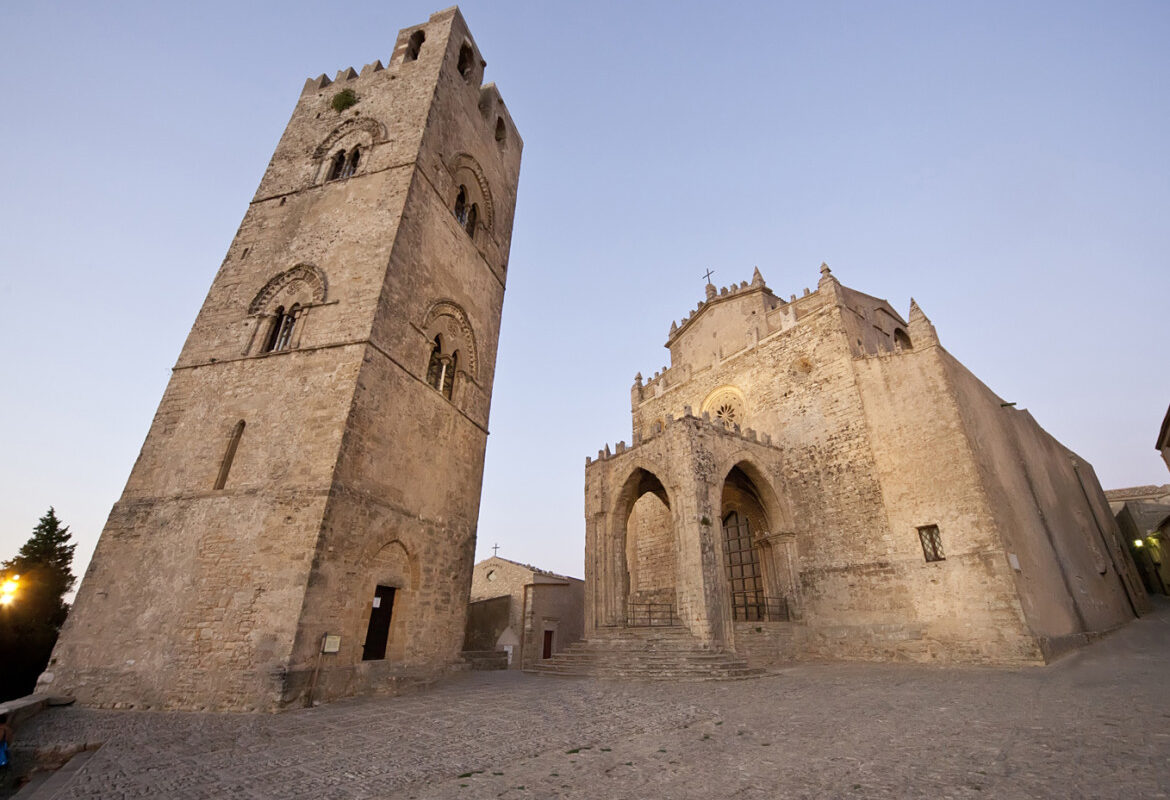
Place
The Mother Church was built in the early fourteenth century (c.1314) on a pre-existing chapel dedicated to the Virgin of the Assumption, at the wish of Frederick III of Aragon who resided in Erice for a short time during the War of the Vespers. After various restorations, additions and alterations over the centuries…
Find out more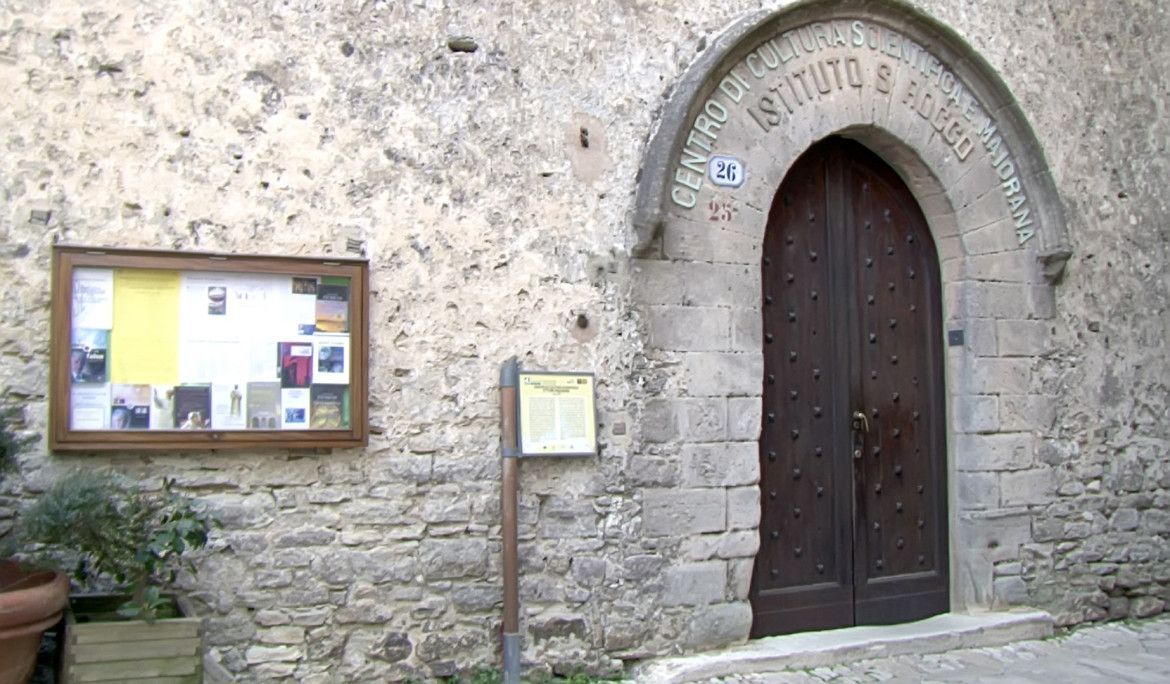
Place
The “Ettore Majorana” Centre for Scientific Culture, located in the former convent of San Rocco in Erice and named after the Sicilian physicist who disappeared in mysterious circumstances on 27 March 1938, has since 1963 promoted thousands of international conferences and seminars that have involved over 120,000…
Find out more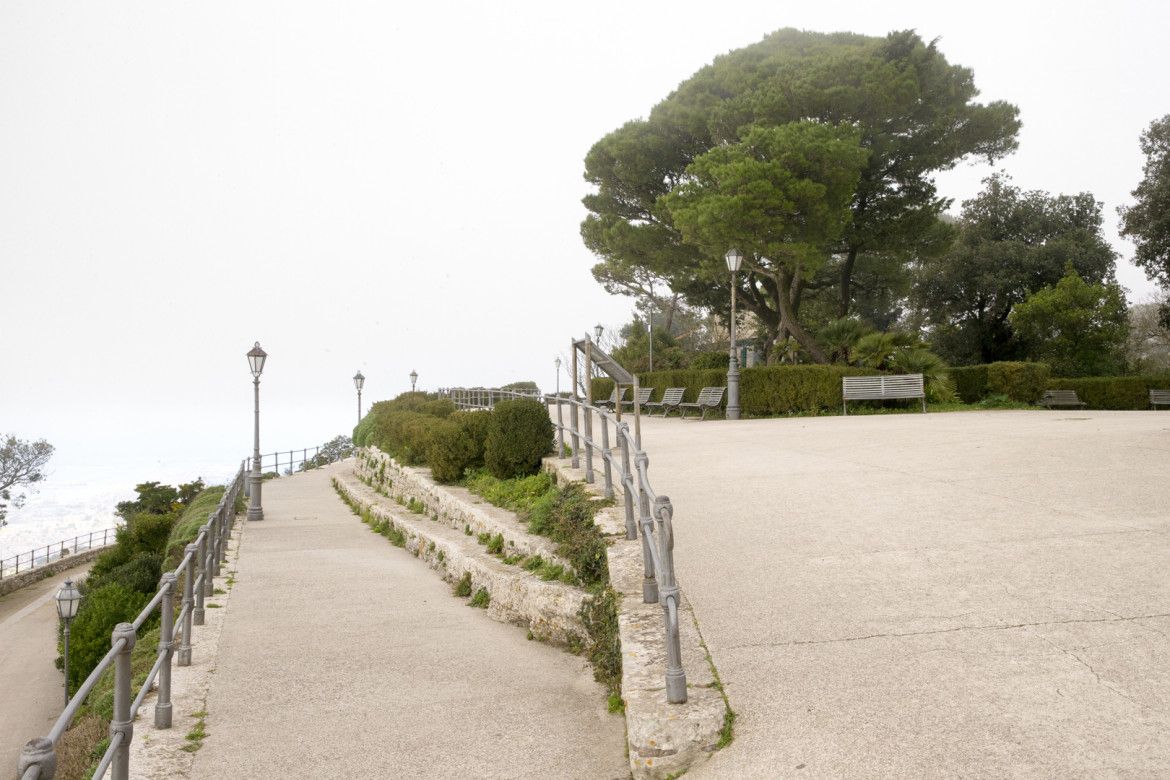
Place
The “English-style” public garden of the Balio was created in 1872 by Count Agostino Pepoli on the basis of an agreement with the city administration whereby he would reclaim a dumping area and rebuild the towers in front of the Castle, which would remain his property.
Find out more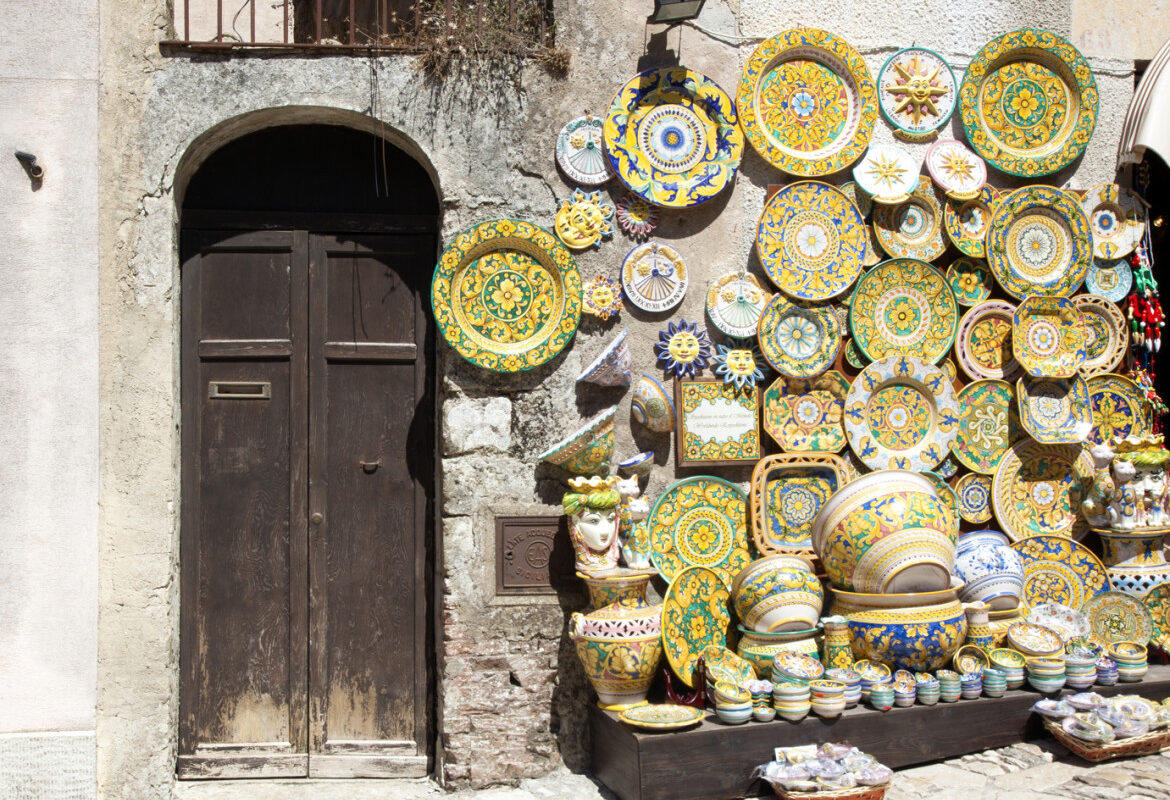
Place
In the post-war period local entrepreneurs, thanks to a ceramic tradition handed down in Sicily over the centuries, also started in Erice the production of ceramic products, using techniques handed down and tested for years, but hand-decorated in soft colours and an original style.
Find out more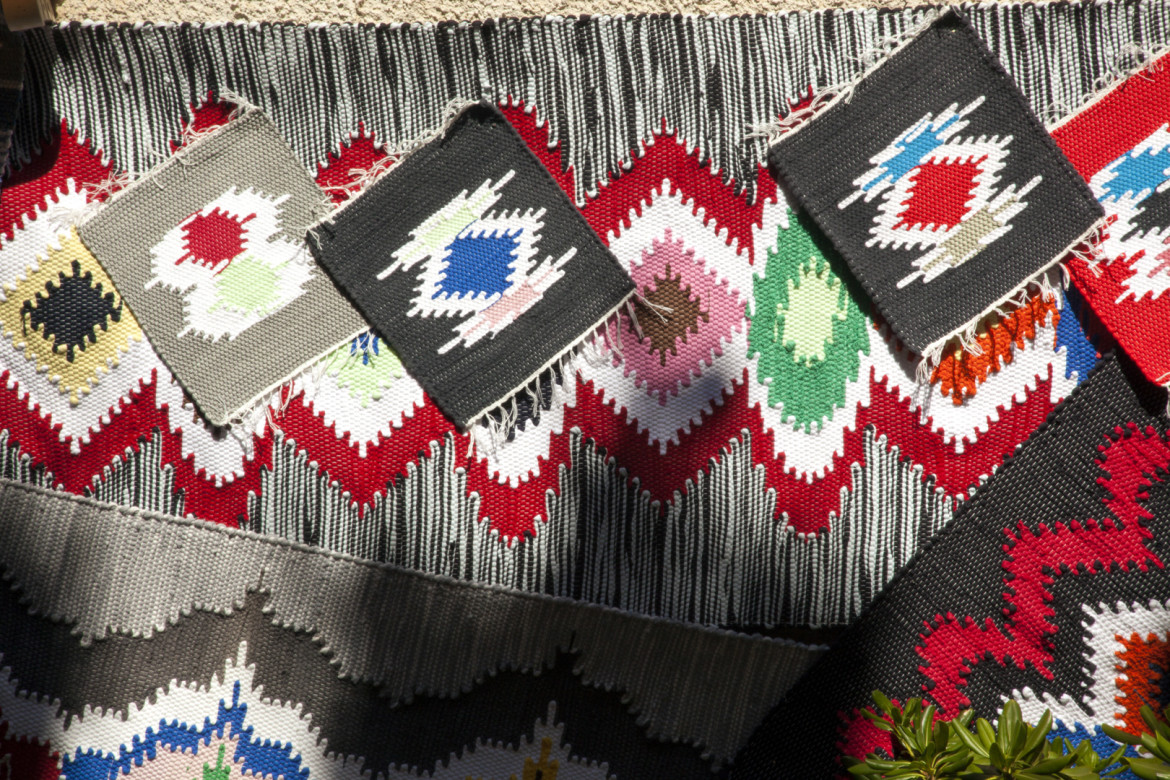
Place
In ancient times nothing was thrown away and even cloth offcuts or old rags were reused, woven on old typical looms: thus the Erice rug represents an ancient textile tradition handed down from time immemorial, which lives on today thanks to the commitment and…
Find out more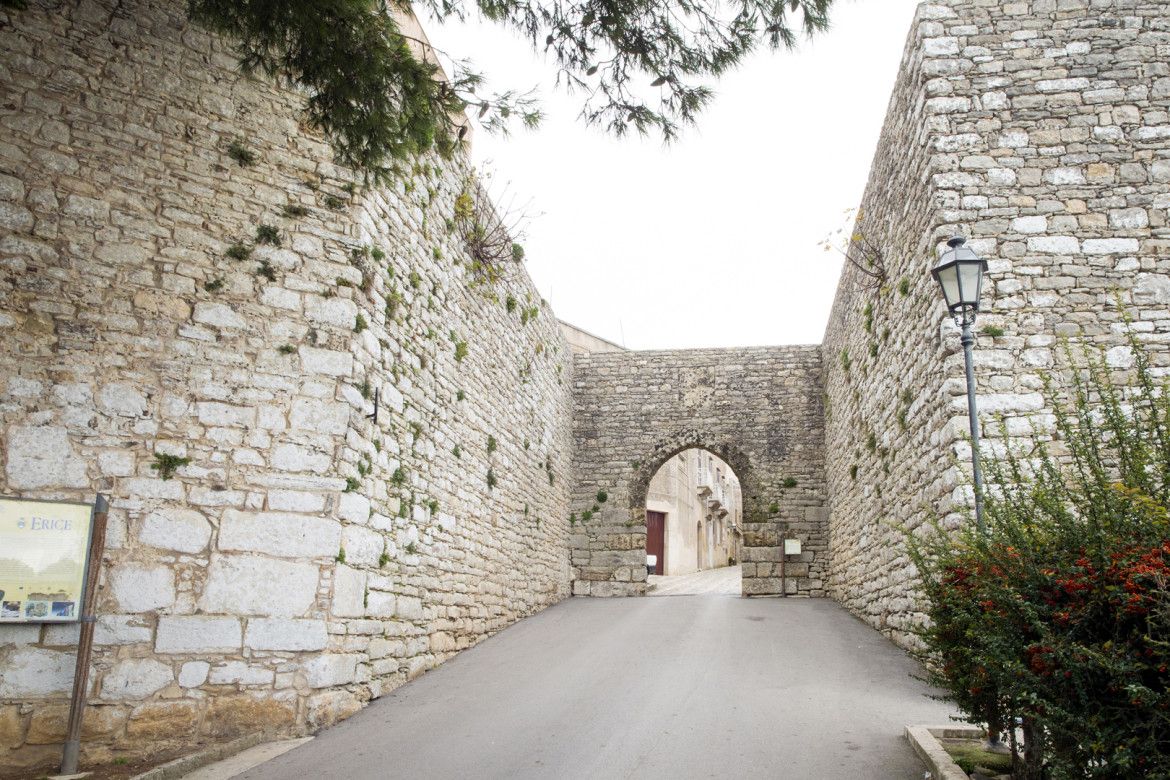
Place
Along the curtain wall three gates are currently visible, called Trapani, Carmine and Spada.
Find out more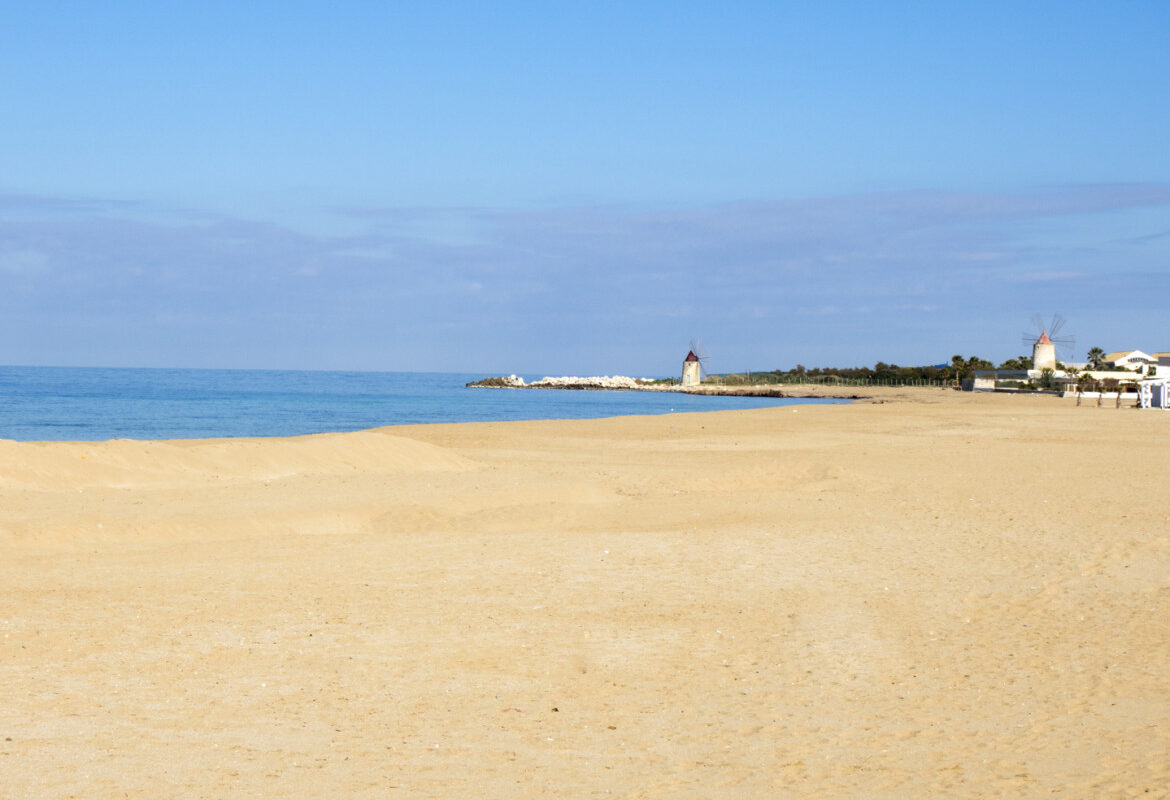
Place
The northern stretch of coast that, for over 4 kilometres from Trapani, extends towards Erice, in the area called San Giuliano, is characterised by a sequence of long sandy beaches alternating with short rocky stretches, crowded in summer by tourists and equipped with bathing establishments.
Find out more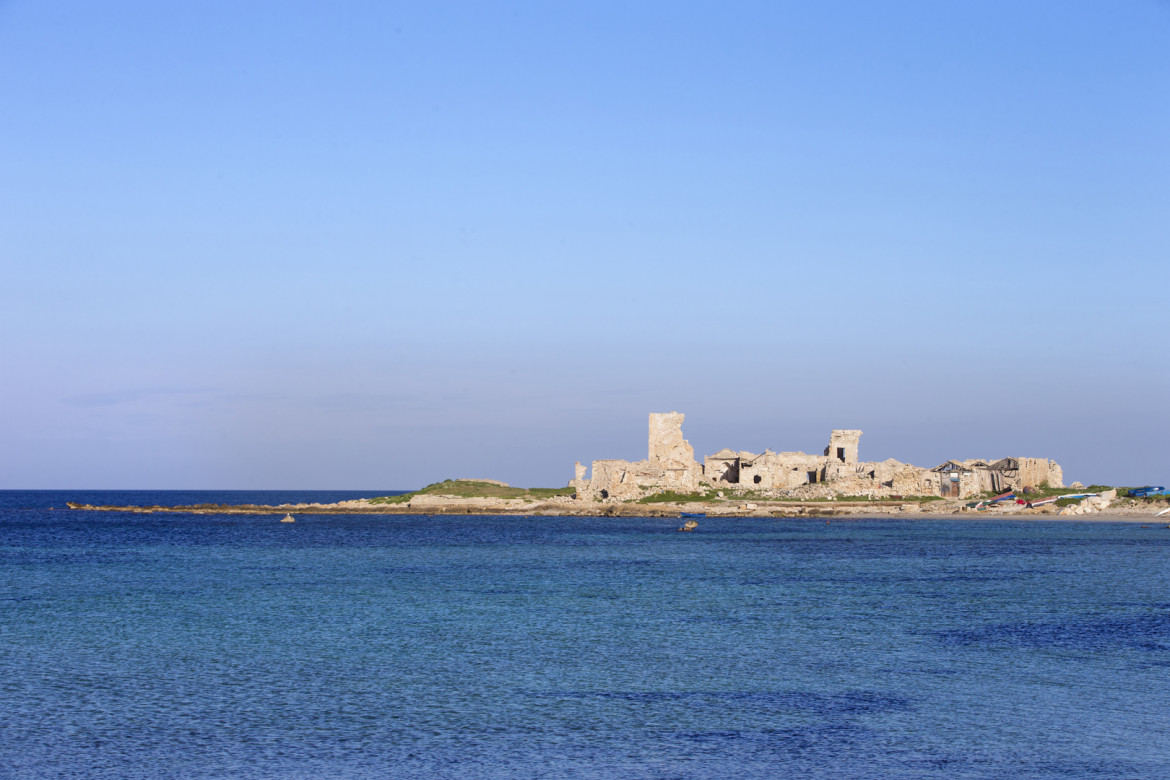
Place
The “San Giuliano Palazzo” tuna trap, closed since 1961, was perhaps the first tuna trap in western Sicily. Now dilapidated, it saw its first nucleus in the construction of a defence tower and a vast quadrangular wall protecting the inner buildings from frequent pirate raids.
Find out more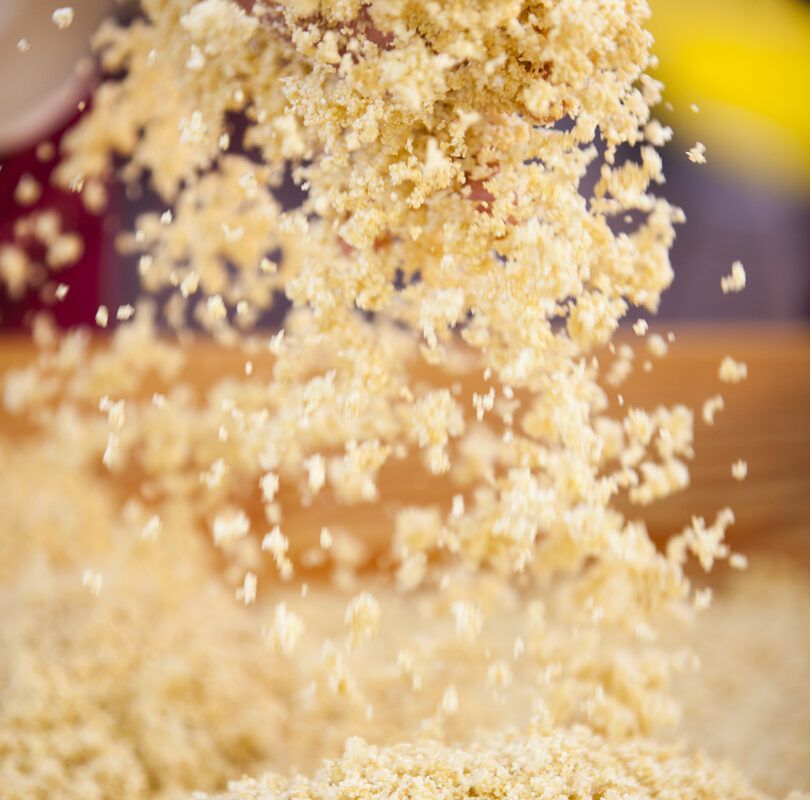
Custonaci, Erice, Favignana, Marsala, Mazara del Vallo, Misiliscemi, Paceco, Pantelleria, Petrosino, San Vito Lo Capo, Trapani, Valderice
In 2020 UNESCO inscribed Maghreb couscous on the Representative List of the Intangible Cultural Heritage of Humanity. But on this coast couscous has an older and more intimate story: it arrived with the sailors and workers who, between Mazara del Vallo and San Vito Lo Capo, traded for centuries with the Tunisian coasts…
Erice, Misiliscemi, Paceco, Trapani
There is a cuisine that does not appear in glossy guides: that of family homes, of trattorias that have kept the same name for three generations, of Sundays when grandmother made fish couscous in the ceramic mafaradda, the same one her mother used before her. This itinerary…